
Pharmacy Isolators
Home » Pharmaceutical Equipment » Pharmacy Isolators
Pharmacy isolators are essential for maintaining contamination-free environments in hospital and pharmaceutical settings. Built to meet strict regulatory standards, they support aseptic compounding and hazardous drug preparation. From hospital pharmacy isolators to advanced pharmaceutical isolators, each system ensures precision and reliability. For detailed specifications and more information, please contact us.
Get Information on Pharmacy Isolators Manufacturers
Find Your Pharmacy Isolators
When selecting pharmacy isolators, key considerations include their ability to maintain aseptic conditions and provide reliable containment for hazardous materials. A well-designed pharmacy barrier isolator ensures compliance with standards such as USP 797, supporting both sterile compounding and hazardous drug handling. Factors like airflow dynamics, pressure differentials, and ergonomic design are critical to achieving optimal performance and operator safety. For detailed specifications and guidance, please get in touch with us.

- Ensures Sterile Conditions for Compounding
- Designed for Safe Drug Preparation
- Compact and Efficient for Pharmacy Use
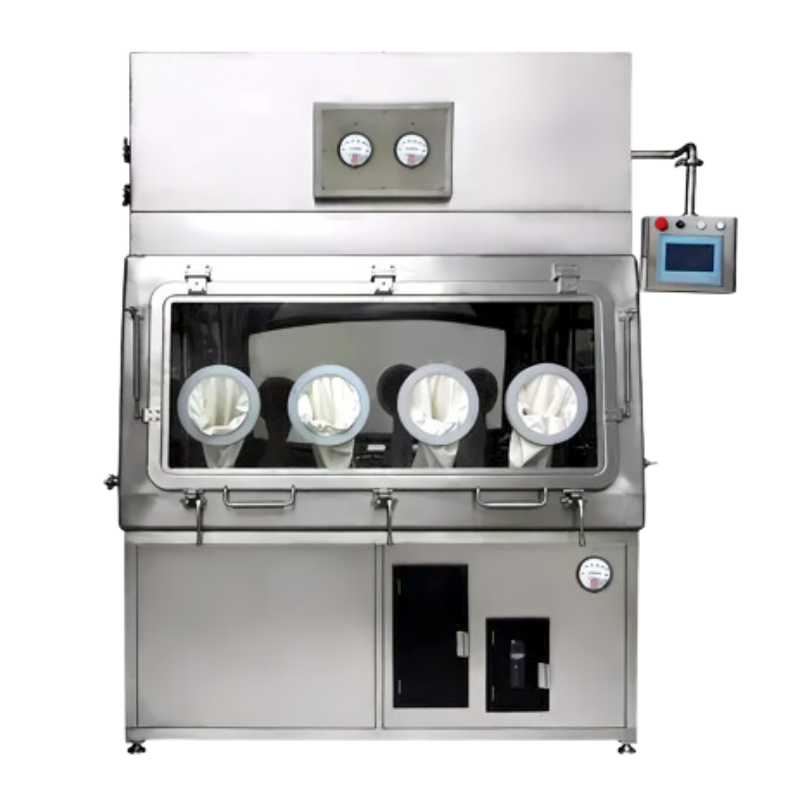
- Maintains Aseptic Environment for Sterile Compounding
- Supports Strict Regulatory Compliance
- Ideal for High-Risk Sterile Preparations

- Combines Aseptic Compounding with Hazardous Drug Containment
- Advanced Filtration for Maximum Operator Safety
- Engineered for Handling Cytotoxic and Hazardous Substances
Pharmacy Isolators Technical Parameters
| Parameter | Compounding Isolators | Compounding Aseptic Isolators | Compounding Aseptic Containment Isolators |
|---|---|---|---|
| Material | 316 stainless steel; external surfaces in stainless steel and plastic for easy cleaning and durability. | 316-grade stainless steel, chemically resistant interior surfaces. | High-grade stainless steel; designed for chemical and hazardous containment. |
| Air Cleanliness Level | ISO Class 5 (EC GMP Grade A) environment for sterile compounding. | ISO Class 5 or better; critical for sterile preparation processes. | ISO Class 5 or higher; ensures containment and sterile environment. |
| Pressure Mode | Positive pressure configuration. | Positive pressure for aseptic conditions. | Negative pressure for hazardous material handling. |
| Airflow Type | Laminar flow to maintain aseptic conditions. | Unidirectional laminar flow. | Turbulent or laminar flow, depending on containment needs. |
| Transfer Chamber | E-grade interlocked transfer chamber to prevent cross-contamination. | E-grade transfer chamber with HEPA filtration. | Fully sealed transfer chamber with enhanced filtration. |
| Decontamination Method | Manual cleaning or basic automated options. | Integrated automated decontamination cycles (e.g., VHP). | Advanced automated decontamination for hazardous substances. |
| Control System | Basic control panel for pressure and airflow settings. | Digital touch screen control with real-time monitoring. | Advanced PLC control system with safety alarms and monitoring. |
| Automation Features | Basic automated pressure hold testing. | Includes automated decontamination cycles and pressure monitoring. | Fully automated pressure, decontamination, and monitoring systems. |
| Compliance Standards | USP 797 compliant, designed for sterile compounding. | USP 797 and USP 800 compliant, suitable for high-risk preparations. | USP 797, USP 800, and OSHA standards for hazardous containment. |
Pharmacy Isolators Operation Workflow
Preparation and Setup
The operator ensures the isolator is clean and contaminant-free by wiping down internal surfaces with approved disinfectants. All necessary materials and equipment are placed inside the isolator through the transfer chamber, minimizing the need to open the isolator during operations and maintaining a sterile environment.
Loading Materials
Materials are introduced via the transfer chamber, which has interlocks to prevent contamination. For hazardous materials, containment procedures and appropriate personal protective equipment (PPE) are used. The chamber’s HEPA filtration system (if applicable) maintains aseptic conditions, preventing external contaminants from entering.
Aseptic Compounding or Containment Operation
With materials loaded, the operator uses the isolator’s built-in gloves to handle materials and perform tasks like compounding, measuring, and transferring. Laminar or unidirectional airflow is maintained to minimize contamination for aseptic operations, while negative pressure ensures safe containment for hazardous substances. The isolator’s control panel enables real-time monitoring of parameters like pressure, airflow, and temperature.
Monitoring and Adjustments
The operator periodically checks the digital display to ensure parameters remain within specified ranges. Adjustments, such as pressure settings for containment or airflow adjustments, can be made through the control panel. Advanced isolators may alert operators to deviations in real-time.
Decontamination and Transfer Out
After operations, the isolator undergoes a decontamination cycle. Basic models require manual cleaning, while advanced versions may use automated methods (e.g., VHP cycle) for thorough sanitization. Processed materials are then safely transferred out through the interlocked transfer chamber.
ManuaShutdown and Maintenancel Capsule Filling Machine
The isolator is powered down following manufacturer guidelines. Routine maintenance, such as HEPA filter checks, glove integrity tests, and control diagnostics, ensures optimal performance for future use.
Frequently Asked Questions
Pharmacy Isolators are enclosed systems designed to maintain a controlled environment for aseptic and hazardous drug compounding. They are essential in compounding pharmacies as they provide a sterile space for handling sensitive or hazardous materials, protecting both the product and the operator from contamination.
An isolator pharmacy utilizes specialized Pharmacy Isolators equipped with HEPA filtration, laminar airflow, and controlled pressure modes. These features maintain a contamination-free environment for compounding, ensuring products meet stringent sterility requirements.
Compounding pharmacy isolators focus on maintaining a sterile environment for aseptic compounding, typically using positive pressure. Containment isolators, however, are designed for handling hazardous materials and use negative pressure to protect the operator from exposure.
Yes, most Pharmacy Isolators are designed to comply with USP 797 for sterile compounding and USP 800 for hazardous drug handling. These standards ensure that isolators meet the required safety and sterility guidelines for compounding practices.
Pharmacy Isolators protect operators by using barrier technology, which prevents direct exposure to hazardous or sensitive materials. Features like negative pressure in containment models and glove ports allow safe handling of substances, reducing risk during compounding.
Routine maintenance for Pharmacy Isolators includes regular cleaning, HEPA filter checks, and system diagnostics. Advanced isolators may have automated decontamination cycles and monitoring systems that alert operators to any maintenance needs, ensuring consistent performance and sterility.