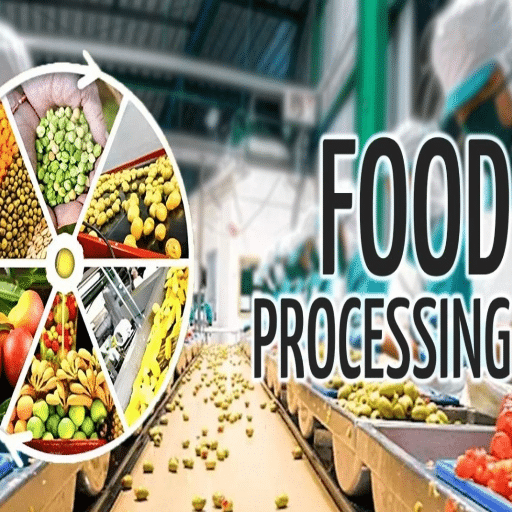

The skyrocketing requirement for premium-grade tomato paste globally has consequently pushed the limit of growth towards more effective and enhanced methods of degeneration of tomatoes. At the core of the tomato industry today is the tomato paste-making process – a closed ridged pipeline equipped with a variety of machines that process tomatoes at each stage of operations until the paste is finally packed into plastic bags or paper tubes. In this blog article, I will discuss the various devices and equipment that one can find in most of today’s production, before the produced paste is filled into tanks or cans, stressing consistency, production methods, and safety of foods as a few of the many production attributes required in this field. Even if you‘re new to food processing or simply a fan interested, this manual will increase our appreciation of how tomato pastes are produced and the new designs unfolding in the field of paste making.
Understanding Tomato Processing

Converting tomatoes requires following various procedures where fresh tomatoes get turned into a top-grade paste or alternatives. In most of the cases, these procedures involve receiving raw tomatoes and washing them to get rid of dirt, debris, or any other impurities. The clean tomatoes are then passed through a grading machine so that only mature and healthy tomato gets to the production stage.
Afterwards, tomatoes undergo crushing or pulping, which is where tomatoes are whipped on some of the tomato processing machines. Next, water is drawn out of the resultant pulp by heating and evaporating in order to achieve the required thickness and performance of the material. In the end, the produced concentrated material is sterilized and peppe for a reasonably longer shelf life. All phases are scrutinized with great care for the product as well as the proper eating scopes.
What is Tomato Processing?
Tomato processing is the industrial and mechanical process aimed at transforming ripe and fresh tomatoes into other products, such as tomato paste, puree, sauce, ketchup, chopped, and juice. It’s typical to also find other activities such as the care of sorting, exposure of the raw, and field processing grade to guarantee their safety and quality. Next, the tomatoes are pressed or squished and heat-treated to concentrate them and make them thicker than before by increasing the content of solids. The product is then pasteurized to minimize the number of harmful micro-organisms present to increase the shelf-life of a given product. In the end, the tomatoes are packed in aseptic conditions to preserve their freshness and quality for improved utility by the consumer. These products are enveloped within a suitable management system, which promotes the efficient but effective use of the tomatoes without committing environmental malpractices and is able to provide products that are very convenient and easy to store. Every single part of the machine contributes to the effectiveness and efficiency of the tomato processing machine, and this is enhanced by the other parts that are attached to it, thereby increasing the production process in the facility.
Importance of Tomato Processing in the Food Industry
Measures for minimizing food waste are essential for the current needs of the agricultural economy in the world. When vegetables harvested in season for more than one hundred years, this is generally stored for a very long time before being used as tomato processing machine in something. We all see that the ever-growing list of food cooked using processed tomatoes is endless – paste, puree, canned tomatoes, and sauces.
Furthermore, tomato processing serves as a means of retaining useful nutrients such as lycopene, vitamin C, and antioxidants, prolonging the usage of the fresh produce for many months independently of the climatic conditions. Additionally, it addresses consumer requirements for easy use and, most importantly, the safety of the product as well as preserving it for a longer period, and covers the mass production and exportation of products containing tomatoes. The enterprise is constantly evolving and does not hesitate to incorporate new technologies as well as methodological approaches towards a high level of quality control for production processes, particularly, various food sources which play a role in the food system around the world.
Overview of Tomato Processing Equipment
The majority of manufacturers of tomato processing machines target large-scale production while ensuring that the end product remains of high quality and production standards are maintained. The components are the basic necessary components of a tomato processing plant and are frequently applied:
Units for Sorting Before Their Washing
Such units are used in the processing of raw tomatoes, where they assist in washing and removing dirt, stones, stems, and other foreign materials. More often than not, advanced optical sorting machines are used to distinguish and remove poor-quality tomatoes in terms of size, colour, and quality.
Crushers and also their Pulpers
Crushers used as such or as part of the machines are supposed to convert the tomato fruits into small particles that are then ready for further processing. Pulpers were also designed to completely separate peelings and seeds, resulting in a homogeneous puree. Instantaneous high-speed centrifugal technologies lead to the highest possible yield of the tomato juice while retaining the color and the useful compounds of the fresh tomato.
Concentrating System
Evaporation systems help achieve the required tomato puree or juice concentration without significant loss of nutritional value. Such systems mostly consist of multistage evaporators that allow water removal at lower temperatures.
Sterilization and pasteurization systems
Systems of this kind are important as regards safety from the microbiological viewpoint. With the aid of tubular or plate heat exchangers, the tomato products are either sterilized or pasteurized by controlling thermal exposure, which in turn increases the shelf life of the products without altering their quality.
Filling and Packing Machines
The modern form of filling and packing machines assures processed tomato products, be it sauces, pastes, or purees, to be packed with precision into any of them, such can, jars, or ordered pouches. Sealing is automated, and this is particularly necessary so that air does not get in, avoiding contamination.
Control systems for a tomato processing machine
Modern tomato processing machine has integrated digital controllers, allowing real-time observation and alteration of critical parameters such as temperature, pressure, and flow rates. This operates efficiently and saves the cost of production and maintenance, as well as ensuring the quality of products is consistent.
These components are combined and turned into simple processing lines, which allow efficient manufacture of different categories of tomato products, with very little waste, and conformity to global standards on food safety measures. The systems are very important as they lead the global markets that fulfill the demand for processed tomato products in retail stores, catering, food delivery services, and exports.
Types of Tomato Processing Machines

Machines for Washing and Sorting
This equipment fully washes the tomatoes and arranges them in accordance with their size, stage, and quality of the ripening quality, washing out the waste and immature product.
Machines for the Peeling and Crushing
The purpose of these machines is to efficiently peel off tomatoes and their skin and mash them into a complete tomato pulp, and they are very important in the preparation of tomatoes.
Pulper and Refiners
The systems help in taking out the seeds and fibres from the pulp to produce Tomato puree or paste that is smooth and consistent.
Compression Module
Concentrators are designed with the aim of reducing the moisture content of the tomato pulps and, more precisely, the tomato paste or tomato concentrate to the required thickness.
Automating Packaging Machines
They pack final sealed with cans, pouches, or bottles filled with canned, sealed foods in ready-to-use form for retention and safety assurance for a longer period of time.
Every tomato processing machine is highly suitable to perform certain stages of tomato processing by helping in maintaining quality and control of the process.
Automatic Tomato Processing Machines
The tomato processing machine is high. speed device that is efficient and convenient for processing large quantities of tomatoes without much human labour involved. This eliminates all the problems of time wastage, accuracy, and hygiene issues. The full set of these machines includes wash tanks, which are machines for thoroughly cleaning the tomatoes, machines for sorting and grading, which are equipped with optical sensors so that there is uniformity of quality, as well as pulpers, which automatically pulp and extract the skin and seed from the pulp of the tomatoes. Concentrators with high capacity aid in the preparation of pastes or purees by evenly controlling the reduction in water content. Furthermore, there are packaging machines that can pack within a can, a pouch, or a bottle of the product with no fluff, but ensure the standards of preservation.
Including automation in the processing of tomatoes not only improves the speed of production but also the quality of the product due to the maintained processing conditions, while decreasing the waste and labor costs. These are very advanced machines that use such features as smart controls, real-time monitoring, and even energy-saving systems to fully utilize the advantages of a production line. They shape production layout to every individual machine, rendering them critical for any contemporary food production.
Tomato Sauce Making Machines
A tomato processing machine is an all-purpose appliance meant for the large-scale production of quality, tomato-based products. It entails various parts like washers, crushers, pulping machines, and sterilizing machines to help out in all stages of the process. After washing and picking the tomatoes to do away with any dirt that may be present, the next stage includes crushing the tomatoes to juice out the content, ready for packaging, in addition to removing the seeds and skins of the tomatoes. Meat treatments such as pasteurization, sterilization, or evaporation systems allow the business to safely process the sauce and regulate the content so that it is lighter. Eventually, the system includes storage tanks with automated systems to be filled and covers the product with sterilized containers against the loss of quality over time. These machines incorporate intelligent processes such as better control functionality and monitoring in order to reduce energy inputs while producing more products, maintaining a relatively higher level of taste and quality.
Tomato Paste Processing Lines
Tomato paste manufacturing lines, in general, are optimized to achieve efficient high-output production and, at the same time, retain the expected quality of the product. It includes initial cleaning of fresh tomatoes from dirt, inedible or unnecessary fractions, and immature tomato fruits. These tomatoes are Nowadaysor the past, and chopped there after juice is extracted by equipment as pulp extractors or clarifying decanter centrifuges.
Thereafter, it THOOF and RFS the juice in evaporators and concentrations, and the purpose of the product. Processing in a vacuum is usually preferable due to the fact that the temperatures are nigh lowering explains the retained flavor of the product, colors, and nutrients. Spas also require pasteurization either during or leaving out evaporation in order to guarantee hygiene of the produced spas according to commonly accepted standards of protection.
State-of-the-art processing lines operate with advanced automation and control units, ensuring that parameters, including temperature, pressure, concentration, etc., are monitored as needed. Such forward-thinking approaches minimize energy consumption, waste, and the variability in production. The concentrated tomato paste then reaches the aseptic filling machines, where it is packaged with sterile containers like cans, pouches, or drums to enhance longevity without the need to add preservatives.
Insofar as tomato paste manufacturing is geared towards efficiency, the processing lines are finely engineered to offer the maximum yield, quality assurance, as well as being wary of culture specifities in the cases of global market supply.
Tomato Paste and Ketchup Production

The main difference between tomato paste and ketchup is related to their ingredients and the manner in which they are used. Tomato paste is basically just tomatoes that have been cooked in order to remove their water content and concentrated together so as to enhance their taste and make it an ideal component for dishes such as sauces, soups, and stews. This is raw without any sugar or spice and simply represents the essence of the tomato.
Ketchup, on the contrary, is another sauce that is made out of tomato sauce with the development of a tomato processing machine, vinegar, sugar, salt, and a few other additives to give it a sweeter flavor that is more attractive to the taste buds. Ketchup, unlike tomato paste, can be consumed without further preparation or heating, in that it is pre-cooked and served mostly as an accompaniment for snacks like French fries or burgers or in sandwiches. These are the reasons that can be rated as the reasons for their very use in the preparation, as well as the medium of intake.
Steps in Tomato Paste Production
Tomato Selection and Washing Process.
Only high-quality red ripe ones are taken for processing into production. Moreover, this first wash is done to get rid of mud, dust, and contaminants, amongst others. This is done to enable a hygienic environment for processability.
Sorting and Inspection
Afterwards, the washed tomatoes are sorted out either manually or by means of machines so as to remove the rotten, unripe, or bad ones. Thus, maintaining the uniformity in the final product.
Crushing and Heating
Thereafter, the washed tomatoes are ground to obtain a pulp, which is then heated to inhibit the development of enzymes for preservation. This also prepares the pulp for the purpose of extraction.
Heating of Pulp and Pulp Extraction
Thereafter, heated tomato pulp is refined or sieved by a tomato processing machine or simply by mesaye so that the pulp and juice are separated from the seeds and the skin to become a puree mixed without lumps
Concentration
The extracted pulp of tomatoes is moved to an evaporator. In an evaporator, tomatoes are heated to determined levels to facilitate the removal of excess water. With this step, the concentration of each tomato solid is increased to allow conformity with the thickness specifications for a tomato paste.
Sterilization
The concentrated tomato paste that is found is sterilized to kill any micro organism that may be present. This is believed to increase the shelf life of the product and at the same time retaining the quality and taste of the tomatoes.
Packaging
After sterilization, the packaged tomato paste is kept in containers such as cans, jars, or plastic. The packaging is usually done in a manner that none of the packaging materials come into contact with the product. This is to prevent contamination of the tomato paste and to keep it fresh for storage and shipping.
The above processes ensure that the tomato paste created is of superior quality, free from any protozoan, and fit for the needs of any person.
The first use of tomato paste in the domestic market in solid form or as ready–to–eat food entails the use of a tomato processing machine.
How Ketchup is Made from Tomato Paste
First, water or vinegar is added to the ready tomato paste and blended until the right consistency is obtained. Then, numerous age-enhancing compounds are added in order to make up the rather specific taste of ketchup, including sugar, salt, spices (the most common are cloves, cinnamon, pepper), and seasonings (such as onion powder, garlic powder). Dependent on the particular formulas used, more components to stabilize the mixture may be added.
After the mixing part is completed, the cooking is done under the right conditions in order to improve the flavor and ensure an even dispersion of the standard ketchup composition. The heat generated in this stage also helps to raise the viscosity and retain the finished ketchup at a suitable level. The resultant ketchup is then cooled and passed through a screen or filter that will sieve out all the solids to give a nice and uniform solution.
Following the completion of the preparations, the ketchup is enclosed in clean and air-free receptacles so as not to degrade the quality or spoil it too soon. These receptacles are usually of the form of bottles, sachets, or pouches, which can tolerate the conditions of storage and transport. Quality assurance measures are in place at every stage of processing to ensure that the ketchup is safe and meets consumer standards.
One of the important elements of the produced ketchup is the tomato processing machine, which allows chopping, blitzing, and cooking such tomato-based products as tomato cups.
Quality Control in Tomato Paste and Ketchup Production
Manufacturers focus on standardized quality in finished products by applying rigorous quality management practices at each stage, with emphasis on product safety and consistency within stipulated regulatory requirements. It starts by selecting the best tomatoes in terms of ripening, colour, or being free of defects. Whilst manufacturing, cutting-edge technology is employed in the form of pH meters, viscometers, and colour measuring instruments, amongst others, for the determination of acid levels, firmness, colour, and purity in such products. Safe sterilization of a tomato processing machine or any other equipment used, and the observance of principles of hazard analysis critical control points, are essential elements in eliminating the risk of contamination.
Microbiological checks are carried out on a routine basis with the aim of detecting the presence of harmful bacteria and germs. Chemical analyses are also performed to ensure that the product is free from such contaminants as pesticides and cadmium. Packaging quality is checked as well; gas-tight containers are expected to keep the contents fresh for a long time during storage and transportation. Use of state-of-the-art quality control systems, as well as their fortification, enables manufacturers to ensure that the tomato processing machine produces safe and high-quality food that conforms to industry requirements and satisfies consumers.
Setting Up a Tomato Processing Line

There are many activities involved in setting up an efficient tomato processing line to produce high-quality processed tomatoes. These activities are as follows;
Tomato Handling
The handling of tomatoes begins with the quality inspection of the fruit, which is then transported to the washing station for removal of contaminants such as dirt and waste. This is usually made possible by the automation of most activities using conveyor belts.
Grade Sorting of the tomatoes
Once the tomatoes have been washed, they are then sorted and graded to remove all the defective or immature fruits. This may either be done manually or be done by an optical sorting machine for precision purposes.
Braising and Its Treatment
Blanching is done to deactivate enzymes and avoid discoloration and distortion. Moving to the other end products, coring and peeling may also follow.
Machines for Manufacturability Testing of the Processing Equipment
The choice of machines used is determined by the product being handled. Provided, on one hand, that some required purée is used, on the other hand, whole intact tomatoes in the cans are filled using different machinery that can fill and cap them.
Packaging and Sterilization
The processed tomato products are packed in containers, which are later closed and sterilized in order to keep their contents for longer. Most of the time, high-temperature sterilization is applied in all retort systems.
Quality testing
Such quality tests are performed before, during, and after the processing. With the intention of assuring the required standards in food safety are met through carrying out microbial, Brix, and even acidity tests, among others.
With this in mind, it is clear how one can establish an ideal tomato processing machine line.
Essential Components of a Tomato Processing Line
In order to set up a tomato production line, it is essential to have the necessary machinery and equipment, which will not only facilitate operations but also promote efficient operations and provide high-quality results. The following are the basic pieces of equipment that are found all along the tomato-producing line:
Cleaning Unit
The cleaning unit serves the purpose of effectively sanitizing raw tomatoes to get rid of any form of dirt, debris, or microorganisms. This is mostly achieved through bubble or spray washer systems, which come with conveyor belts for effective cleaning. Pre-calories help in food safety and control, and also in extending the shelf life of the product.
Mechanical Filler and Grading System
The mechanical filler and grading system is used to isolate tomatoes that have poor quality or are damaged. Once the material is received, it is inspected by either optical or manual scanning to ensure that only uniform materials are processed afterwards.
Machines that tend to Pre-Process by Crushing or Pulping
These are mechanical devices essential for various subsequent operations of tomato processing. While crushers will reduce the tomato structure, pulpers will only concentrate the pulp, along with removing the seeds and skins, to produce fine tomato paste or puree.
evaporator equipment
Evaporators are devices that remove water from the product in order to obtain the desired viscosity, such as paste, puree, and ketchup. The cost of operation is lowered, and energy is saved through the use of multiple-effect evaporators.
Sterilizer and Chiller Equipment
Sterilization systems include such units as tubular heat exchangers or plate heat exchangers that carry out the processing of products by heating them to ensure food safety and prolonged usage. Application of chillers is also highly recommended as it cools down the finished product quickly after thermal treatment, ensuring stability.
Filling and Packing Units
Filling and packing machines are installed in automated lines to ensure better accuracy in dispensing products and closing the packages to protect the product from contamination. Such systems include bottle, can, or sachet fillers for variable products.
Auxillary equipments
This also includes the control panel, the CIP Cleaning In Place system, as well as conveyors that are used in the different stages of the process to increase the efficiency of operations.
Several of these aspects, including strict quality assurance and other processes, are carefully implemented to create a tomato processing machine that is efficient, reliable, and meets the minimum requirements of the specific industry sector.
Designing an Efficient Production Line
For a production line to be well designed, one has to pay attention to improving productivity, ensuring quality control, and minimizing resources used in the entire process. Explained further are short essays on critical areas of concern based on gathered experience and research in the industry:
Layout Optimization
The design of the flow of the production line should be such that travel distances for transporting materials and labor are constantly kept as short as possible. A linear or U-shaped configuration, for example, is better for working since it creates the flow of work, and no bottleneck develops. The machines should be set up in a way that follows the order of processing.
Process Automation
The inclusion of automated solutions such as robots and programmable logic circuits (PLCs) in the design increases the system’s efficiency of process accelerations, accuracy, and consistency. There is increased reliability for the labor force as there are automated means that help eliminate or make certain tasks easier for the operators, which helps to keep up with the demand of the scheduling.
Capacity to grow and ability to adapt.
As new product variations are introduced and the production line is expanded, it has to be ready for the challenges. The design should incorporate specific modular parts to help incorporate maximum flexibility of expansion due to the growth of the business.
Considerations for Energy Savings
Cost-effectiveness can also be realised by implementing design features that enhance the use of energy consumption. This is achieved through efficient design of equipment, the strategic layout of facilities, and, where possible, engaging in waste management.
Incorporation of Quality Control
This supposed adequacy of line quality management sustained implementation is the basis for the following expectations. Faults and reworks waste time, and the organization needs to be optimized, whereas there should be built-in automatic control or adaptation in time, if not done so yet.
Concentrating on the three mentioned areas improves the effectiveness of the operation’s production line, which aids in profitability and ensures that the operation does not contravene any rules that are in place. The principal for the success of the outcomes is a data-responsive strategy, which employs modern techniques and well-thought-out plans.
Automation in Tomato Processing Lines
Automation plays a significant role in tomato processing lines where the operations are improved, manual input is minimized, and disincentives are minimized. One of the most important systems in the industry is automated sorting, which features optical sensors that are able to distinguish and select the tomatoes depending on their color, size, and quality level. Systems with the use of these sensors develop an algorithm that provides data on each available item, as a result, eliminating any possibility of loss due to precise classification. Some of the advantages include a tomato processing machine that cuts and peels already sliced pieces to ensure evenness of slices and cuts the processing time while distorting the product the least.
In addition, robotic arms and conveyors have been developed to better handle the stages of processing tomatoes from washing to packaging with little or no human input. These, together with real-time utilization systems, enable the production manager to keep track of the process’s performance figures and where potential choke points may lie, if any, all the time. Everything remains within quality control. As well, the use of SCADA systems offers the ability for one point to do all the analysis and control of the available data, thus improving control and food safety standards.
It is with this automation that more efficient tomato processing lines with low-cost operation and better quality of the product while maintaining health and safety standards, will be achieved. This is the cause that it is impossible to avoid such advanced technologies in meeting rising demands in the abstaining market.
Related Products and Applications

Procedure for the Automatic Tomato Processing Machine
Machines for washing, peeling, cutting into small parts, and packing tomatoes are quick and able to provide the high quality of the product produced.
Equipment for the implementation of the SCADA system
Such SCADA systems make it possible to observe and manage over tomato processing machines at all times and enforce all the requirements for such processing machine like safety and quality.
Food Safety Monitoring Devices,
Built-in sensors that accurately gauge the temperature levels, pH balance, and other vital factors involved in the process of handling food materials effectively.
Conveyor belts that are usable in industries and generally last long
There are conveyor belts that are quite strong that are also used in materials handling to reduce human burden, adding to the manufacturing facilities, and increasing productivity.
These, therefore, enable smooth operations of production and allow them to adhere to any implemented standards.
Tomato Puree and Sauce Variants
Commercial tomato puree and sauce variations are cut out more often by the following parameters: density, taste, and application. In most cases, Tomato puree has a more defined consisting structure than tomato Liquid and less than tomato paste. This is concentrated tomato, which can be used in soup, stews, and when preparing sauce. There are thicknesses and spices and no spice alternatives too, plain natural or enhanced with aroma, such as, for example, the likes of basil, oregano, or sweet garlic for a specific cooking purpose.
However, tomato sauce is generally less viscous and is already seasoned, making it very useful in easy-to-cook meals, such as pasta casserole or pizza. Males who are most used in eating include the basic marinara that contains nothing but plain tomatoes, onions, garlic, and herbs. Esanaga includes the tasty hot arrabbiata. There are also classic and organic versions as well, so that there is a balance of choices among the different demographic groups that require tomatoes for kitchen purposes.
Utilization of Tomato Pulp in Food Production
Food manufacturers cannot do without the tomato pulp, as it is an ingredient that is used in different food products. To me, the primary use of tomato pulp is its ability to be thick and full of flavor, which makes it perfect for making different sauces, soups, and stews. The main reason is that it adds bulk and thickness to such products and adds color and flavor. Furthermore, this is also an almost mandatory ingredient in making anything preserved, such as ketchups or even some frozen dinners, because it helps a lot in many ways, including taste and appeal of the product in the end.
Market Demand for Processed Tomato Products
The demand for processed tomato products across the globe is on the rise, and several reasons explain this trend. In the first place, an increase in demand for convenience foods has increased the demand for tomato paste, sauces, ketchup, and other similar products because they are common in.e ready available meals and junk foods. There is also the fact that more and more consumers are turning away from unhealthy eating habits, and demand for healthy processed tomato products containing vitamin C and other antioxidant nutrients, such as lycopene, has grown. Another major reason for this high demand is the foodservice sector, particularly in emerging economies, due to the growth in the consumption of westernized foods, including pizza and pasta, in many countries. Urbanization, as well as the fast growth of supermarkets have made it even easier to reach these canned tomato products, and this has galvanized market growth as well. These changes illustrate the importance of the tomato processing machine in homes as well as in food industries.
Reference Sources
Provides details on various tomato processing equipment, including ultrasonic washers, dicers, and micro-cut machines.
Equipment – The Wilbur A. Gould Food Industries Center
Highlights a tomato processing line and other related equipment available at the pilot plant.
On the Road—Furmano’s Tomato Processing Plant
Describes the use of advanced tomato processing machinery, including harvesters and color sorters, at a commercial plant.
Frequently Asked Questions (FAQs)
How does a tomato paste manufacturing line operate, and what exactly is it?
A tomato paste manufacturing line is a series of tomato processors that transform prepared fresh tomato fruits into a thick paste of tomato utilizing state-of-the-art equipment. Common equipment consists of cleaning and segregating, milling, hot-breakage fermentation and cold-breakage fermentation, cooking gelatinising ‘preheaters’, vacuum processing equipment with temperature-controlled slicing evaporator or multi-effect system, which is high efficiency and low-temperature concentration, pasteurizers, carton sterilizers, and any other type of packaging. It is characterized by maximal retention of taste and nutrition, minimally dense and high productivity manufacturing high viscosity tomato paste that not only saves energy but also prevents any process breakdown time.
Is it possible to produce tomato ketchup and sauce with the same tomato processing machine?
Yes, several modern-day processing plants and tomato paste ketchup production line designs have built-in flexibility to enable the production of tomato ketchup and different sauces without any hassle. A variety of process lines are available, all fully automatic or semi-automatic, and can be tailored to produce different products such as tomato ketchup, crushed tomatoes, and sauce products for foodservice or retail application by means of reconfiguring recipes, producing steps, and changing control system options. Components like vacuum evaporators, homogenizers, and filling machines make the processing possible with different viscosities and package sizing.
How do hot break and cold break differ in the tomato being processed?
Tomato paste making can either be a hot or cold process. Normally, a hot break uses high temperatures almost immediately after the tomatoes are diced to destroy enzymes for the production of thick, more viscous pastes, since such pastes are meant for sterilization and concentrated products. Meanwhile, a cold break does the opposite because it does not involve exposure of tomatoes to higher temperatures, thus preserving flavor and nutrients for application in sauces and soups. As technology progresses, newer tomato processing machine systems in regions such as Italy can opt for either hot or cold break stages such as hot or cold break or stages incorporating both if need be, depending on the final aim of different customers and the requirements of the tomato plant.
How then can production be improved using methods such as vacuum evaporation and the multi-effect evaporator?
At lowered temperatures, vacuum evaporation, comprising vacuum tube-in-tube evaporators and multi-effect vacuum evaporators, aids in the concentration of tomato juice, thereby maintaining its aroma and nutritional content while minimizing the length of the process and energy usage. Multi-effect evaporation units allow the reuse of the evaporated steam and thus help in reducing the energy consumption by the operator compared to single-stage evaporation methods. This technology allows commercial production of high-quality tomato paste with minimum heat damage at lowered costs in a modular way.
Can a crushed tomato or paste factory be designed as a turnkey tomato processing machine plant?
Of course, commercial and industrial processing facilities generally require turnkey solutions, which is exactly the case in this industry. A ready-to-use tomato processing machine can, for example, implement the entire facility to manufacture everything from pulpy tomato products to very fine tomato paste industrially employing, among other things, control systems, state-of-the-art processing machines, or work models inherited. Such a solution involves all these or more, and such different services in most cases include processes such as equipment management and cost control, equipment installation and commissioning, staff training, as well as service engagement and production continuity.
In what ways do the use of controls and automation in a production line improve the effectiveness and regularity of production practices?
A sophisticated mechanism installed in them assists the operators to delicately turn up or down the temperatures, flows, and churn out uniform concentrations all over the tomato paste ketchup making plant, so that the end product is of superior and consistent quality. With complete automation in place, parameters include hot break and cold break, preheater adjustments, vacuum evaporation, and paste sterilization operations, which are controlled to retain their freshness and flavor, and enable the required consistency to be achieved at the same time. It helps minimize errors, optimizes operations, and ensures that even small quantities, whether for tomato paste manufacturing for domestic use or for the food service industry, can be easily and predictably produced.
What factors are taken into account when optimizing for power consumption and the reduction of bottlenecks?
Reduce energy use and unnecessary loss of time by selecting efficient devices like multi-effect vacuum evaporators and/or heat recovery systems, or a tube-in-tube preheater. Make sure to include routine check-up plans and strategies for spare parts and supply undertaking in the plans. Ensuring a line that has the flexibility to perform without having to shut down for several hours and a stable control system that allows for inter-product movement is beneficial. The above actions aid in reducing the cost of to405 production without compromise in product quality. Rather, it helps develop a better tomato processing machine.