


You must definitely be familiar with the proper storage to keep your lawn mower operating in peak condition, as quite a few homeowners tend to forget about it until it’s too late. Whether you have limited space, unpleasant weather conditions, or simply want a tidier garden, choosing the proper storage for your mower is crucial. Our guide covers the entire process of purchasing a shed for your mower, starting from recognizing your storage requirements up to checking out the shed materials and designs. Therefore, the knowledge you gain will help you safeguard your money and allow your mower to perform its job effectively for an extended period. It is time to choose a storage method that is efficient for your needs, strong, robust, and user-friendly.
Types of Mower Sheds

M
Metal Sheds
Metal sheds are very durable and tough structures. They are hardly ever affected by pests, fires, or extreme weather conditions. You should go for them if your main concern is how long they stay in good condition and their maintenance cost.
W
Wooden Sheds
Wooden sheds have a timeless and natural look that easily blends with most backyards. The sheds are advertised as custom-made, but one may have to put in a lot of effort to keep them in the right shape and make them resistant to moisture or pests.
P
Plastic Sheds
Vinyl or plastic is the primary material used in making the walls and roofs of resin sheds, and they are typically durable. Offering an affordable price, they come in various sizes and styles that are weatherproof, making them an ideal solution for keeping your lawnmower safe.
Wooden Lawn Mower Sheds
Since many homeowners were in the market, the wooden garden shed became a popular choice due to its durability and aesthetic features. They are made from redwood or pine wood, giving a natural and beautiful look that will suit your garden space. Many modern wooden sheds are sold as pre-hewn, which makes them weather- and pest-resistant and reduces the importance of proper care. They are also an excellent support for purposes like shelving, hooks, or windows, allowing the customer to adapt the storage space and aesthetic look to their desired level. The goals of using weather-resistant technologies have been met for commercial-type wooden sheds, enhancing their ability to withstand climate conditions and protect valuables.
Metal Storage Sheds for Mowers
Metal storage sheds are a perfect option for lawnmower storage because of the strength, security, and low-maintenance of their structure. They are generally made of galvanized steel or aluminum, making them rust-proof and strong enough to withstand storms, including heavy rain, snow, and intense sunlight. Moreover, they are safe from fire and provide a substantial barrier against pests, offering an extra solution for keeping the needed garden allies upright. Air can get inside the modern metal sheds, and, therefore, the various tools that were used and stored for a long time are quickly renewed and ready to be used immediately. The air can move inside the chamber.
Furthermore, they come with easy-to-follow installation instructions. The areas are in close contact with the ground, allowing the system to be easily established. The flexibility in room size ensures successful implementation, optimizing the space obtained through different storage units. The situation remains the same regarding metal storage sheds; they are both cheap and durable.
Compare Common Types of Mower Sheds
| Type of Shed | Material | Durability | Cost | Ease of Assembly | Maintenance | Ventilation | Customization |
|---|---|---|---|---|---|---|---|
| Metal Shed | Steel/Aluminum | High, rust-resistant | Affordable | Moderate | Low, rust-proof | Advanced ventilation systems | Modular assembly options |
| Wooden Shed | Treated Wood | Moderate, weather-dependent | Medium to High | Hard | Moderate, resealing needed | Basic ventilation options | Easily customizable by design |
| Plastic Shed | Polyethylene | Moderate, UV-resistant | Affordable to Medium | Easy | Low, easy to clean | Medium ventilation systems | Limited customizability |
| Resin Shed | Resin/Composite | High, sturdy structure | Medium | Easy | Minimal, low upkeep | Good ventilation options | Modern designs available |
| Fabric Shed | Fabric/Metal Frame | Low, weather-sensitive | Low | Very Easy | High, prone to tearing | Limited ventilation | Minimal customization |
Advantages of a Lawn Mower Shed

🛡️ Protects Your Equipment
A lawn mower shed as a storage solution offers maximum protection for your lawn mower from rain, snow, and excessive sunlight, which in turn, ensures that your mower does not rust or get damaged.
⏱️ Extends Equipment Lifespan
One of the benefits of proper lawn mower storage is that it reduces wear and tear, thereby prolonging the life of your lawn mower and keeping it in good working condition.
📦 Organized Storage Solution
Lawn mower sheds not only provide a dedicated and organized space to store the equipment, but also related tools and accessories.
🏠 Saves Garage Space
The fact that the lawn mower is stored in a separate shed means that you can now use the garage or even part of the house, freed from the mower.
🔒 Improves Safety
A safety shed keeps beneficially risky garden equipment away from innocent children and animals, decreasing the occurrence of incidents.
Equipment Protection from the Elements
A grass-cutter storage unit is handy in protecting your machine from bad weather such as heavy rain, snow, and the sun’s intense radiation. The machine being left outside for long periods means it is prone to rust, corrosion, and mechanical failure, which together result in a shorter lifespan and reduced efficiency. In contrast to this, with a shed specially designed to house your equipment, they not only stay safe but are also fully practical. The current product market also offers sheds in a variety of materials, including fade-proof and rust-proof combinations suitable for outdoor use, such as metal or high-grade plastic. This means that your lawn mower will still be safe and will not disappoint you in terms of performance, regardless of the weather.
Organizing Your Outdoor Space
A well-arranged open-air area starts with the proper storage solutions that declutter and enhance functionality. Initially, divide your stuff into different groups—tools, furniture, seasonal apparatus, and decorations—so that each group gets its own space. When it comes to smaller items, consider using stackable storage bins or shelving units, as they effectively utilize vertical space and allow you to keep everything in one place. Wall-mounted hooks or racks are a good idea for larger equipment, such as grills or wheelbarrows, as they free up floor space and make it easy to access your things. Moreover, the use of multi-functional furniture like storage-benches will not only help to increase usability but also to maintain the beauty of the place. With the aid of a tailor-made system, one can easily bring about a perfect environment in the garden landscape.
Enhanced Longevity of Lawn Equipment
The life expectancy of your lawn equipment will be considerably lengthened through proper care and regular maintenance. The first thing that you need to do is to wipe the tools clean after each use, this action will prevent the build-up of debris that can eventually result in their rusting or damage. In particular to gas-powered equipment, changing the oil and air filters annually is a big factor to ensure optimum performance and economy of the engine. The rule of the game here is to sharpen the blades of the mower at least once in a season and by this, you can even be more beneficial in terms of cutting quality and saving the lawn from being mistreated to a great extent. On the other hand, storage is also a major consideration -it is much better to have them in a sheltered or dry space in order to avoid the consequences of the rain or dampness. Finally, getting covers or cases for the machines is a bonus from nature. As a result of doing all of the previously mentioned items regularly, the life of the machines could be expected to be a few more years than that of the owner’s.
Key Considerations for Building a Shed
Purpose and Size
Firstly, recognize the major purpose of the shed and consequently, compare this with the size of the shed you choose, be it for gardening tools, or solely for space to work.
Location
Pick a place that is flat and slope-ridden with a good outlet for water. Check the local regulations for building the shed and assure that you will not dig into utility lines.
Materials
Utilize the best quality of materials be it wood that’s treated, metal or vinyl. Each one of them has its own benefits but in terms of maintenance, wood still carries the charm and metal or vinyl is more durable at the end of the day.
Foundation
The choice of a strong base like a concrete slab, gravel pad, or wood platform will not only give the shed a good ground to stand on, but also protect its lower part from getting damp.
Ventilation and Lighting
Providing the shed with ventilation can be a key solution for two problems; humidity accumulation and mold propagation. Furthermore, installing windows or skylights will add an extra source of light and so lessen the need for electric light.
Security Features
The security of your tools is as important as the organization and accessibility. Thus, you may have to give attention to the security matter either by giving your shed its own locks and reinforced doors or by more intelligent and efficient light sources of motion detection.
Choosing the Right Shed Size for Your Mower
In deciding the proper hutch size for your mower, the first thing to keep in mind is what kind and what size of a mower you have. The walk-behind mowers usually need minimum space and a shed with a size of around 6×4 feet will be enough in most cases. On the other hand, if you possess a riding mower or a larger zero-turn mower, you will have to figure out the location for two purposes landscaping the garden and stowing the mower. It will be a good idea to situate a 10×10 feet (or larger) size shed in such an instance. Plus, you have to think of the ‘extra’ equipment you have, rather than just the mower. The ‘extra’ equipment might include fuel cans, garden tools, or even spare parts. Leave enough space for clearance on all sides. The protection of the equipment and maintenance of its user-friendly status are the most favored end goals of all this redundancy.
Foundation Requirements for Stability
A well-constructed base is really of great significance when it comes to maintaining the shed’s durability and lifespan. The foundation has to be even, long-lasting and able to hold the shed’s weight, just like also of the things placed in it. There are various choices for total nut either concrete slabs, gravel bases, or pressure-treated wood frames, which are the most share. If you are dealing with a location that is known for being prone to moisture, going for a gravel or concrete base makes sense, as this help reduces the water that can pool beneath the shed, hence, also the risk of rot or damage is reduced. Moreover, one more thing to do is to have the floor of the shed a bit higher than the ground level so that water can drain away properly. Another point is that there are times when in the regulations, local government authorities specify certain types of foundations for sheds of a certain size, and this is a significant factor that should not be overlooked.
Permits and Regulations for Shed Construction
When you’re planning to build a shed, one of the most important things you need to do is get the right permits, so that you abide by the law and regulations of the area. Shed, like all other structures within the property, may be subject to specific requirements and regulations, with compliance being regulated by the size, the location, and the use of the shed. For example, tiny sheds of under a certain square footage can generally be built without a permit, but big ones usually cannot. Moreover, the mandatory distances between the shed and property lines as well as between the shed and utilities or other structures play a crucial role in the design.
In some places, the height of the shed of its outward appearance (color, etc.) can also be limited by the laws. This is usually the case in neighborhoods with homeowners’ associations (HOAs). Following the guidelines set down by the HOA and aesthetically pleasing the shed could be the points of the bigger contention with the neighbors and the most common penalties. The physical environment, for example, the proximity to a wetland area or a flood risk zone, may also dictate the shed’s location and style. To make things easier, people may individually look up the local building codes and the necessary paperwork, among which site plans and construction specs one can prepare and submit even in the earliest stage of the planning.
Maintenance Tips for Your Lawn Mower Shed

- Regular Cleaning: Make the shed free of dirt, by sweeping the area and removing grass cuttings frequently. This edition will hinder pests and save the properties from being unbelievably worn out.
- Check for Moisture: Have a look inside and hunt out any water leaks or excessive humidity that could cause mildew and rust on your lawn mower and other instruments. Any reason for a leak should be immediately repaired.
- Organize Tools: Use walls hooks, shelves or boxes to free up tools from the floor and put them in right places in order to reduce the volume of lawn mower clatters.
- Ventilation: Check that the shed airways are sufficient to prevent excess heat from entering the shed and creating a persistent moisture level, which might eventually damage the mower and other stored items.
- Protect Against Rust: To deal with that issue, when you have to hang a belt, just use some cheap scotch or of-bar for the wires if a tool has a plug and some chains if the mouse or comes in from under the door.
- Rodent Prevention: Seal any holes or gaps where rodents could enter, and consider using natural repellents to protect your lawn mower’s wiring and equipment.
Regular Inspection and Upkeep
It is not less than necessary to duly upkeep to prolong the life span, as well as maintain the effectiveness of your shed, and all its contents. You have to start by checking the structural soundness of the shed once a month to see if screws are loose, panels are damaged, or the roof is leaking. At the time of inspection, pay extra attention to areas where moisture accumulation can occur, as unresolved issues may lead to mold or wood rot situations. The inside of the shed should be kept clean and uncluttered regularly to ensure correct storage of tools and machines, thus preventing damage or danger. Moreover, the lawn mower and other tools in the same place should be checked for rust, wear of their parts, or malfunctioning. If any of these issues are found, they should be corrected immediately to keep the tools in the best possible condition. Regularly following such checks, along with other chores, will help protect your investment and maintain a storage solution that will last a long time.
Weatherproofing Your Storage Shed
It is essential to keep water out of your storage shed. The first step is to inspect the roof for any possible leaks or missing shingles. After you identify the problem with the roof, you will be able to apply a good waterproof sealant so the water does not leak during heavy storms or rain. Besides applying sealant to the roof, it is also good to check the walls and foundation for any minor cracks or gaps where moisture or pests can enter. Exclusively using weather-resistant caulk can be an effective way to seal the areas thoroughly.
If you block drafts and avoid water intrusion, then the weatherstripping upgrade to both the shed’s windows and doors must be done. The gutters and downspouts, which manage rainwater and lead it safely away from the base of the shed, ensure that no water damage or foundation issues will occur. Besides, the shed should be elevated if possible, or built on a well-chosen base, which should be concrete or treated wood, as the final solution to the problem of flooding and ground moisture. These methods will also increase the level of shed durability and make its contents safe for the whole year.
Cleaning and Organizing Your Shed
Focusing on maintaining neatness and organization offers not only operational benefits but also longer-lasting advantages. It is wise to start the cleaning process by following a simple procedure that requires the complete removal of the stored goods from the shed. The whole interior should be cleaned and allowed to dry out, allowing time by opening windows or doors. The following steps involve sweeping out debris, removing cobwebs, and inspecting for mold and insect indications. Cosmetic items that are no longer of use should be thrown away since clutter is fast encroaching upon the valuable storage area.
When the storage spot is quite neat, organize your stuff by grouping related items and placing them in labeled boxes or containers. One way to utilize vertical space is by fixing racks, hooks, or pegboards to walls near the ceilings, allowing tools and equipments to be reached more conveniently. Items that are used frequently should be near you, while seasonal or less frequently used ones can be kept either up, in standing, or in more remote places. With such a system in place, you will have a tidy space and always be ready to use it as it’s efficient and well-organized to your needs.
Essential Accessories for Your Mower Shed

🔧 Durable Tool Rack
A place to store shovels, rakes, and other garden tools that is organized and off the floor for easy access is a must-have.
⛽ Fuel Storage Containers
Verified and leak-proof containers are the only way to store gasoline or any other fuel required for mowers safely.
🪝 Overhead Hooks
Hoses, power cords, or even small tools can be stored on the wall, freeing up the floor and reducing hassle.
🛡️ Protective Covers
Lawnmower and other equipment covers will help immensely in keeping out dust and moisture when the equipment is not in use.
💡 Lighting Solutions
Use LED lights as the primary source of light in the work area, as they will ensure a well-lit space, especially in dimmer sheds.
📚 Shelving Units
The users can adjust the height of shelves to keep items like oil, filters, and other maintenance supplies within arm’s reach.
Storage Solutions for Garden Tools
If you want your garden tools to be perfectly organized, you need to keep them in good condition and ready for immediate use whenever needed. One of the answers may be the use of a wall-mounted tool rack to hold such things as rakes, shovels, and hoes in a vertical position, which means not only saving floor space directly beneath but also having the tools well organized and easy to reach, as well. As regards trowels and pruners, the smaller tools, consider using tool hangers or pegboards to display and organize them stylishly. Moreover, when it comes to garden tools, you cannot go wrong with portable tool caddies and garden totes that are very useful for that matter. Wherever needed, garden tools can be located here without any hassle. Storage cabinets designed for outdoor use provide security and protection against the elements for tools that would otherwise be subject to moisture or temperature changes. Proper and logical storage and tool care processes the life of the tool and will make executing garden jobs considerably more efficient.
Choosing the Right Shed Kit
Before repurposing your shed, have in mind some determining features such as the space, the material, and the use that suits you. There is no better way to determine what to do with your lawn space than by looking at the area. Find the part you can keep for yourself before the items to be stored are handled. You have no reason to waste time when you can get the materials. Wood sheds offer a stylish, customizable look, whereas metal sheds stand the test of time and are vermin-proof. Resin sheds are light, weather-resistant, and require little care. Also, consider a few advantages such as pre-drilled holes, provided instructions, and modularity, which make assembly much easier. Choose sheds with venting and skylights, as they offer the added advantage of practicality and comfort. When you conduct such assessments, you will not make a mistake in choosing a shed kit that combines durability, functionality, and an appealing look to enhance the outdoor space.
Double Doors for Easy Access
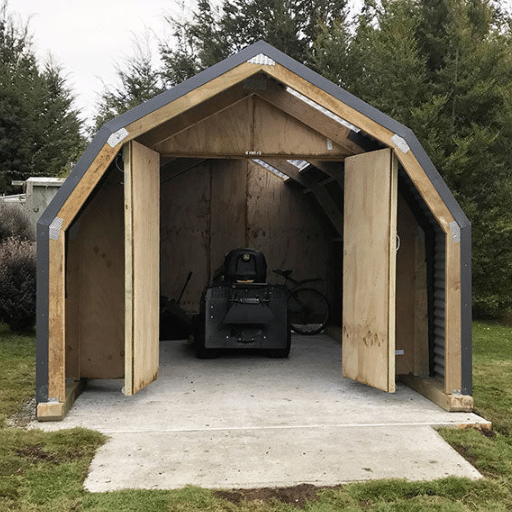
Double doors are a must-have in most shed kits because they provide a wide entrance, making it easy to put in or take out big items like lawnmowers, bikes, or gardening tools. Not only do the styles they provide offer benefits, but more importantly, they prevent damage that could occur when moving cumbersome machines. Currently, most shed kits come with modern double doors, strong hinges, and locking mechanisms for added protection against break-ins and the test of time. Furthermore, some designs feature windows or clear panels in the doors, allowing natural light to enter while making the shed visible from the inside. A choice of double doors means that you have made access to the storage space very convenient and have, therefore, created a convenient storage area for your outdoor needs.
Reference Sources
Design and Experiment of the Profiling Header of River Dike Mower:
Summary: This study focuses on improving the efficiency and adaptability of river dike mowers. It introduces a new design capable of adjusting mowing heights swiftly to adapt to varying terrains.
The Scythe Book: Mowing Hay, Cutting Weeds, and Harvesting Small Grains with Hand Tools:
Summary: This book explores traditional mowing techniques using hand tools, including the use of sheds for storing hay and tools. It provides historical and practical insights into sustainable mowing practices.
Frequently Asked Questions (FAQs)
❓ What are the benefits of a lawn mower storage shed?
There are many advantages to having a lawn mower storage shed, and the main ones are protection from outdoor elements and better organization of your garden equipment. If you shelter your mower in a place that is solely for it, you will save it from the destruction of the wind, snow, and rain. Moreover, having a reserved shed lets you keep other lawn equipment like garden tools and fertilizers in one place. It not only saves space in the yard but also makes everything in the shed easy to organize and access. For instance, choosing a resin or wooden storage shed that fits the bill can effectively cater to your lawnmower and other gardening essentials.
❓ How do I choose the right size for a shed for lawn equipment?
The process of selecting the correct size shed for lawn equipment mainly involves considering the size of your mower and other tools you want to keep in it. A generous shed can provide about 100 square feet of space, allowing for freedom of movement and easy access. It is necessary to check the size, length, or width of your machines, including push mowers or ride-on lawn mowers, to make sure they can be placed comfortably inside. You also need to consider the quantity of garden hoses and fertilizers to ensure they can be stored with the equipment. Moreover, it is essential to choose between a storage shed with a floor or a building without a floor. The first option allows the equipment to be kept off the ground and protected from humidity, while the second option is more economical.
❓ What materials are best for an outdoor storage shed to keep my mower safe?
When it comes to picking an outside shed, materials like resin and galvanized steel provide the best durability and weatherproofing to prevent your mower from scratches and rust damage. Also, resin is the most favorite choice because of its weather resistance and the fact that it needs effortless care. On the other hand, if you have a wooden storage shed, you will have a cozy and warm atmosphere, but keep in mind that it may require more effort to prevent it from rotting and deteriorating. Why not choose the one with a robust base that can withstand the pressure of heavy machines, like a tractor for mowing, and also ensures safety by not falling off the slab? The choice of materials should be considered the main factor influencing a shed’s life and appearance within the context of your entire living space covered by the shed.
❓ Can I assemble a storage shed kit for my lawnmower myself?
Yes, many small house packages are designed to be easy to assemble, making them very useful for home builders who like to do the work themselves. Usually, in the shed installation kits are all the things needed, plus a set of very descriptive instructions that guide you to do the job like a pro. It would be a great idea to look for a kit that includes the shed foundation or floor kits, as they will provide a strong base for your mower and other equipment. Also, some kits come in different colors and styles, allowing them to be part of your backyard aesthetics. When you have the right tools and have given some time to the job, your shed will be ready for storing your lawn equipment in no time.


