


Seal machines are vital in manufacturing and ensure that users receive finished goods in their best overall form. These machines are capable of creating airtight, tamper-proof seals which protects the product from external moisture, dirt, and air while preserving its internal quality. Seal machines also serve to further processes within the manufacturing realm as a part of quality control measures wherein inadequate seals would lead to a breach in security within the product, leading to issues with safety and shelf life and even costly problems for manufacturers. This paper examines the mechanisms by which seal machines help maintain the integrity of products alongside their function and importance in ensuring that high quality standards are achieved in various industries.
What are seal machines and how do they enhance product integrity?
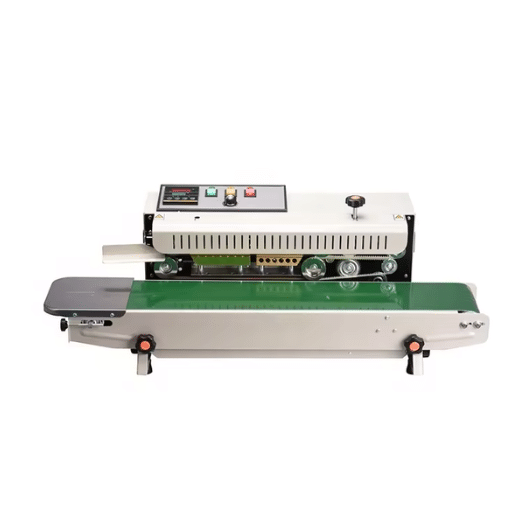
Seal machines are unique equipment that put seals on airtight packages, thus guaranteeing that the contents within are safe from contaminants, moisture, and air. These machines meticulously apply heat, pressure, or adhesives to avoid leaks, maintain sterility, and preserve freshness for sensitive products. Their contribution to a product’s integrity is important since these products need to last and maintain the trust of consumers by guaranteeing quality and fulfilling legal requirements.
Understanding the different types of seal machines
Seal machines are divided into two categories based on their functions and application. Impulse and continuous sealers, heat sealers, use temperature to seal together plastic films or laminates. Additionally, vacuum sealers seal containers after removing air from them for storage of perishable products. Induction sealers use electromagnetic induction to seal containers tamper proof with foil liners. Moreover, adhesive-free free high-powered ultrasonic sealers produce strong, dependable seals without any unnecessary soldering through high frequency blasts. To comply with industry standards, the packaging of each type is designed to achieve a specific requirement of product protection.
Important attributes of modern seal machines for quality control
Modern seal machines operate proficiently because they have exceptional features to ensure effective quality control. An integral component is the temperature control system, which can be adjusted between 50°C to 300°C to provide accurate heating without damaging the materials. Defect rates are also decreased through the use of pressure monitoring mechanisms, which ensure that there is adequate pressure application for enhanced bond integrity. In addition, automated calibration ideally increases the accuracy of operations through increased compliance with production standards and reduced human error. Real-time monitoring systems equipped with sensors for detecting inconsistencies or misalignment capture a significant portion of the machine’s defects. Also, including intelligent software for data logging and traceability ensures compliance with regulatory and auditing requirements for industries such as food, pharmaceuticals, or electronics.
The impact of seal machines on product shelf life
By keeping the products sealed, moisture contamination and microbial infection can be avoided, increasing the product’s shelf life. Seal machines provide a critical role in helping products sustain their shelf life. They enable the sealing of packs in moist or dry environments which minimizes the entrance of oxygen, germs, and other contaminants that cause erosion. Seal machines help eliminate oxidation and chemical reactions while maintaining the products freshness. This is extremely important while dealing with perishables, drugs, or even electronics. In these industries, the degree of the seal directly correlates with how safe and long lasting the goods would be.
How do heat sealers contribute to food safety and preservation?

Using heat sealers fosters a greater context of food preservation, tampering, and security with regards to contamination, hence aiding in maintaining food safety. Heat sealers are barriers from other external components like air, moisture, and pathogens, all of which are important factors to spoilage and foodborne ailments. When heat sealers restrict oxidation and microbial activities, they garner extended shelf life and retain nutritional values of food products. Alongside all these benefits, this technique reduces waste caused by premature spoilage. Overall, heat sealers assist in safeguarding the integrity of packaged foods.
Heat sealing technology for food packaging
Heat sealing technology utilizes a predetermined measure of Heat and Pressure to bond thermoplastic materials which makes food packaging airtight. With this piece of technology, the product’s safety is Broun because a sterile environment is maintained alongside the prevention of contamination and spoilage, which the entrance of air and moisture may cause. Moreover, various methods, such as Impulse and continuous sealing, provide flexibility to meet diverse packaging material and standard requirements. One of the most important results of heat sealing is the prevention of siphoning of prepackaged content, increased shelf life, simplified transportability, and reduced food waste, which makes it a centerpiece of modern food packaging systems.
Advantages of utilizing heat sealers for maintaining food freshness
Heat sealers are important preservers for food by ensuring that the packaging has strong seals, which prevent exposure of valuable food items to air, moisture, and even microorganisms. This helps to prolong the oxidation and degradation processes which are primary reasons for food spoilage. For high-quality seals, humidity levels are perfectly balanced within the packaging so that foods do not lose their texture, flavor, or nutritional properties.
From this perspective, heat sealing effectiveness is a function of sealing parameters that include sealing temperatures, pressures, and dwell times, all of which need optimization when using specific packaging materials. For instance, Polyethylene requires sealing temperatures of about 120-160°C. In contrast, higher barrier materials such as polyester will require temperatures of 180 °C. Proper pressure adjustment always helps guarantee a range from 0.2 to 0.6 MPa, which is usually the norm. Dwell times ranging from 0.2 to 2 seconds always guarantees seal formation without damaging the packaging. When applied accurately, these technical considerations are very helpful for increasing the protection and shelf life of food products, making heat sealers especially useful in food preservation.
Heat Sealer Selection for Foodstuff Accomplishment
In the search for an appropriate heat sealer for food items, choices are made based on the sealing requirements of the final product, the type of packaging material, and the production rate desired. Impulse heat sealers are excellent for thermoplastic polyethylene and polypropylene materials. They also function very well in low and medium-volume operations. These sealers do not use energy during the sealing phase which minimizes overheating. For constant heat sealers, thick materials such as multi-layered foil laminates are easier to seal since they are kept at a constant temperature.
When dealing with impulse sealers, which technical attributes are most important? For example, some models made for these hermetic sealers have adjustable sealing temperatures. Their average ranges between 120°C and 180°C, with some models for automation running on a material thickness setting. Constant heat sealers tend to work at higher temperatures, frequently at 200 degrees Celsius, since optimal steaming materials require effortless power management to create a seamless bond. Also, the production speed depends on the speed of the machine set up on the sealing cycle, as the fully automated versions offer speedy operations for machines located in high-traffic areas. The choice of material to be used in the construction of the heat sealer should be matched with the thermals and physics of the heat-sealed materials to keep the product fresh and intact packed.
What are the advantages of using vacuum sealers in packaging?

The purpose of a vacuum sealer is to enhance packaging, especially for products with restrictions on quality and prolonged shelf life. Sealing vacuum packages by removing air makes it possible to significantly reduce the quantity of oxygen available to spoilage aerobic bacteria and molds. This is done most effectively on fresh meat, seafood, and produce. Vacuum sealing also prevents the degradation of quality and taste of perishables, including fruits and vegetables. In addition, vacuum sealing decreases the volume of a package, thus providing spacial economy during storage and transporting. Moreover, a seal protects the product from moisture, dust, obnoxious smells, and other external factors that could compromise the product. Lastly, vacuum sealers add value over and above the quality as they are more visually appealing and professionally packaged. Therefore, consumers are more likely to buy the product as versus other competitors.
The science behind vacuum sealing and its benefits
In essence, vacuum sealing minimizes environmental pressure within a container, thus creating an airtight seal. By removing most of the air, and especially oxygen, chemical reactions that would typically lead to the degradation of food and nutrients are curtailed. Vacuum sealing prolongs the shelf life of products and nutrients while preserving sensory qualities like taste, smell, and texture. Ideally, vacuum sealers are supposed to maintain a residual oxygen concentration between 0.5% and 1.0% to restrict the growth of aerobic microbes optimally.
Vacuum sealers have a range of technically essential features, including vacuum pressure range which is indicated in inches of mercury (inHg) or millibars (mbar), and heat sealing temperature. The latter must be tightly controlled to ensure the seal is airtight but does not destroy the packaging material. Most vacuum sealing packaging films are multi-layered composites such as polyethylene (PE) and polyamide (PA), which are flexible, puncture-resistant, and provide excellent barriers to oxygen and moisture. In addition, factors like film thickness and the temperature and humidity of the surrounding environment affect the efficiency of vacuum sealing.
Comparing vacuum sealers with traditional packaging techniques
The gaps or slits within plastic wrappings do not fully protect the vacuum sealed packs from the pollutants present in the air. Regardless, it is exceedingly easy to operate a vacuum sealer, as all one has to do is place the food item within the plastic vacuum pouch container to seal it. The quality of the food in question will last longer and save a good amount of money as well.
Contrary to popular belief, greater investment is required on a vacuum sealer. However, one must consider the plastic pouches used for the vacuum sealer. It ensures that the amount of oxygen provided is considerably less than the traditional methods within the 0.5-1% block. A warp cover container is also significantly lower in cost. In conclusion, preserving modern changes is next to nonexistent, so any positive advancement is preferable.
Perforating containers is done manually with the objective of air extraction, and so is strapping the lids on the vacuum sealers. These steps set apart the process of vacuum sealing from others because the temperature during sealing is regulated to ensure the seals remain intact without alteration of the material. Great inconsistency increases the chances of contamination or spoiling the product during the packing process. Overall, vacuum sealing is identified as a scientific advancement in product preservation as compared to conventional methods due to the controlled climatic conditions it offers. Such methods are not available in traditional approaches.
Effective methods of employing vacuum sealers in production
If vacuum sealers are used for production, set schedules for equipment maintenance to work efficiently. Also, check the sealing bars and gaskets for any residue and clean them as required to maintain the quality of seals. Avoid using packaging that does not utilize vacuum sealers, as it may negatively impact the barrier and sealing properties. Pay attention to teh amount of vacuum and temperature in the sealing zones to ensure that overheating of the material does not occur. Furthermore, it informs the operators about the basic rules of equipment operation and how to solve the most common issues arising. Following these steps will provide confident results and outcomes in preservation issues.
How can seal machines improve efficiency in manufacturing processes?
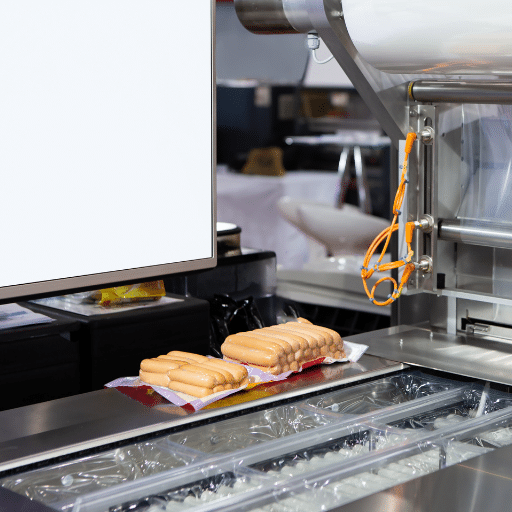
Seal machines increase operational productivity in manufacturing as they easen the packaging process, cut down on idle time, and guarantee steady productivity. These machines limit human workforce involvement, increasing production speed, making it easy for producers to increase output to meet the market demand. The machines further bolster product integrity and quality by uniformly sealing package to eliminate any possible failures during the packaging processes that can lead to loss of the said products. Moreover, modern seal machines utilize new technologies like accurate temperature control and setting adjustments to optimize seal and reduce waste of packaging materials. The combination of effectiveness and dependability gives rise to increased output for a business while still making sure there is no compromise in quality and the overall costs incurred.
Incorporating seal machines into production
Incorporating seal machines into production workflows requires aligning the technology with the rest of the processes used. The automation of production processes should be carried out paying careful attention to avoid loss of productivity, blockage in operations, or disruption of workflows. Some of the major factors that guide this choice include the packers used, their integration with existing systems, their settings, specific product filters, and the proper calibration to preserve the validation of the system. Setting maintenance calendars and training for operators is essential to minimize the loss of active machinery time. These techniques improve operational performance, growth, and long-term success in the construction industry.
Minimizing waste and improving productivity with seal machines
Machine seals greatly impact aspects such as minimizing waste materials while increasing productivity through efficient and accurate packaging processes. This is achieved by creating durable and airtight seals, therefore reducing material usage while also eliminating cases of product spillage or contamination which ultimately prevents losses. Also, the automation of processes improves operating efficiencies, increases productivity and enhances quality simultaneously. With accurate calibration and maintenance of the machine’s seal, optimal resource utilization is achieved, operational deficiencies are decreased, and eco-friendly manufacturing practices are enhanced.
Teaching employees so they can improve seal machine productivity
Using a combination of both technical information and practical exercise, effective training of employees in optimizing performance seal machines is best achieved using a well defined approach. The operators should first learn how the machine works, what its parts are made of, the order in which they work, and the set safety measures. Teaching policies should emphasize calibration, routine maintenance, and other standard procedures to help reduce operating downtime. Other routine measures, including providing updated operational manuals and refresher courses as needed, ensure the accuracy of all staff. Employees gain a greater understanding of the equipment and more accuracy, which can help to increase the lifespan of the machines and, therefore, the efficiency of the enterprise as a whole.
What factors should be considered when selecting a seal machine for your business?
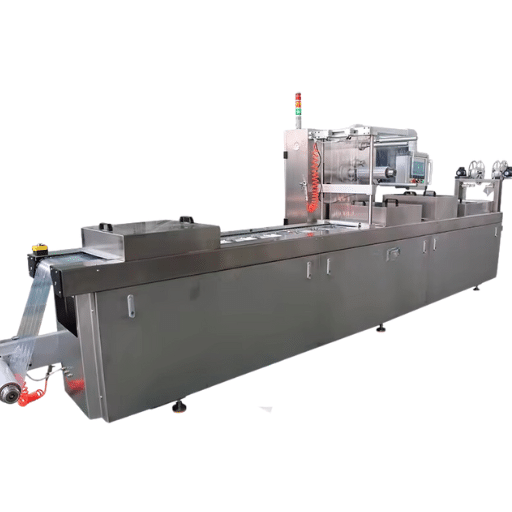
Before buying a seal machine, there are various key facets to consider as they are critical to meeting the machine’s operational business needs and purpose. First, try to determine the type of materials to be sealed as that greatly impacts the required level of sealing compatibility and strength to be utilized by the machine. Second, check the machine’s sealing speed and capacity to ensure that the production needs can be met promptly. Third, look into the different sealing technologies available, such as heat sealing or ultrasonic sealing, to find the one that best suits your needs. Also consider the machine’s performance and the maintenance level needed in relation to the operational downtime and costs. Lastly, calculate the overall cost when considering the initial investment, energy consumption, operational expenses, and most importantly, that it does not exceed the budget set. Those factors combined enable an informed decision that is financially sound with the business’s short and long-term goals.
Evaluating Your Production Volume and Sealing Requirements
First, consider the production volume you would need to perform. Evaluating your production volume starts by examining the materials involved and how thick, flexible, and heat sensitive they are. For example, ultrasonic sealing might be more favorable for thinner materials, whereas ultrasonic welding is more effective with polyethylene or polypropylene as it provides greater bonding strength.
Next, examine your production requirements by estimating the total number of sealed items per hour. This defines machine productivity, which is frequently expressed in seals per minute (SPM). Standard assembled heat-sealing tools work between 20 and 60 SPM, while advanced machines can perform over 100 SPM.
Evaluating seal machine features: manual vs. automatic options
Manual sealers are affordable and can benefit low-volume businesses. However, they are not as productive as automatic sealers, making them unsuitable for high-volume outputs. These sealers require greater effort and control to perform efficiently and thus might be useful when custom seals need to be placed. On the plus side, they are compact, portable, and low-cost.
Automatic sealers are thought to provide high-speed service thanks to continuous bombardment operations, which translates into increased production speed. Usually, these machines are supplied with various programmable features, built-in conveyors and other modern sealing appliances that improve the workflow. Although these automatic machines are more costly initially, they do save money on labor over the years. This coupled with their ability to maintain seal quality on everyday use makes them the best option for most industries.
On maintenance and long-term cost effectiveness
When thinking about cost maintenance and durability, issues like longevity, maintenance simplicity and availability of spare parts are fundamental. Manual sealers typically have simpler mechanisms, which, in turn, means lower maintenance costs and fewer breakdowns over time. Nevertheless, they depend mostly on human users and, thus, tend to suffer more damage. While automatic sealers are more costly in configuration, serviceable torque collar and other elements, most of them actively reduce downtime. Choosing automatic machines with high-impact resistant, well-supported enclosures and serviceability increases the equipment supply across its failing life cycle, especially for excessive production scenarios, which reduce operating costs throughout the machine’s life.
How do seal machines ensure compliance with packaging regulations?
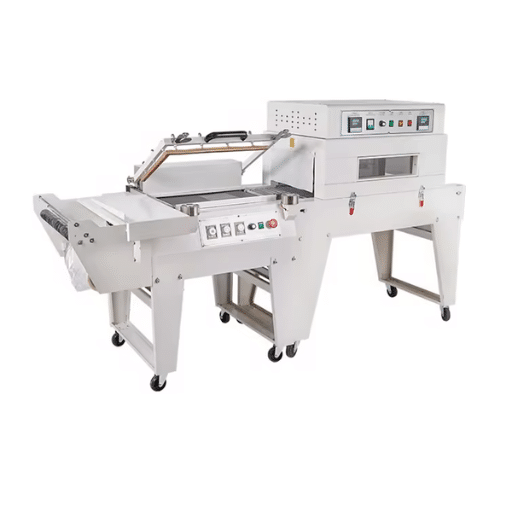
Seal machines are essential for complying regulations regarding package sealing since they guarantee consistent sealing quality, which is crucial for maintaining product safety. These machines are designed to work with specific material types and specific range of temperature, pressure, and time to create reliable seals that are compliant with regulations. Moreover, many machines for sealing come with automated features, validation systems, and traceability which aid in overseeing the sealing processes and documenting them in adherence to industry standards and quality assurance requirements. In this way, seal machines slow the rate of occurrence of packaging failures and contaminations, making it easier to comply with health and safety measures.
Meeting industry standards with precise sealing technology
Failure to deliver controlled seals and precise sealing for packaging products renders them unable to meet industry standards. Advanced sealing systems support features such as temperature control, pressure control, and real-time defect monitoring to ensure consistency. In addition, meeting compliance is supported because these systems include validation and record keeping. Modern sealing machines reduce errors, optimize seal quality, and, as a result, ensure the safety and performance of the packaging and product.
Modern Seal Machines with Data Tracking and Quality Control Functions
Modern seal machines have integrated advanced data tracking and quality control functions that are essential in achieving regulatory compliance and maximizing operational effectiveness. Such functions comprise automatic data logging features that capture and save sealing process parameters, including temperature, pressure, and time to guarantee every cycle is recorded. At the same time, automated vision inspection systems are used to identify defects during the sealing process in order to eliminate errors and waste. Sealing machines are often connected to an enterprise resource planning (ERP) system that enables the users to monitor production lots for uniformity across the production lines. The combination of monitoring and detection of real-time defects together with data capturing significantly improves product quality and compliance with rigid quality requirements.
Modifying seal machines for various materials and standards
Modifying seal machines to target different packaging materials and regulatory requirements entails checking how the machine works with the material’s physical characteristics, such as thickness, flexibility, and heat resistance. I make certain that all machine parameters, such as temperature, pressure, and sealing duration, can be changed to suit different types of materials. Also, meeting the requirements for packaging compliance is resolved by incorporating precise controls that enable the machine to function within the set parameters of food safety, medical-grade packaging, or any other requirements. Such means guarantee effective seal machine operation and compliance with all applicable legal and functional obligations.
Reference sources
Frequently Asked Questions (FAQs)
Q: What is a seal machine and how does it enhance product integrity?
A: A seal machine, also known as a sealer machine or bag sealer, is a device used to securely close packaging materials such as plastic bags or pouches. It enhances product integrity by creating airtight seals that protect contents from external contaminants, moisture, and air. This is crucial for food preservation, extending shelf life, and maintaining product quality during storage and transportation.
Q: What are the different types of seal machines available for quality control?
A: There are several types of seal machines used in quality control: 1. Heat sealing machines: Use heat to fuse plastic materials together. 2. Impulse sealers: Apply a short burst of heat to seal bags quickly. 3. Vacuum sealer machines: Remove air before sealing to extend food freshness. 4. Continuous band sealers: Ideal for high-volume sealing of bags or pouches. 5. Shrink wrap bag sealers: Combine sealing with shrink wrapping for added protection. 6. Handheld sealers: Portable devices for small-scale or on-the-go sealing needs.
Q: How does a vacuum sealer machine contribute to food preservation?
A: A vacuum sealer machine contributes significantly to food preservation by removing air from the packaging before sealing. This process helps prevent oxidation and inhibits the growth of bacteria and mold, effectively extending the shelf life of food items. Vacuum-sealed foods can be stored in the freezer for longer periods without freezer burn, maintaining their quality and nutritional value.
Q: What are the benefits of using a heat sealer machine for packaging?
A: Heat sealer machines offer several benefits for packaging: 1. Create strong, airtight seals for various plastic materials. 2. Improve product freshness and extend shelf life. 3. Protect against moisture, dust, and contaminants. 4. Enhance package appearance for better presentation. 5. Suitable for sealing a wide range of products, from food to industrial goods. 6. Can be used with different types of plastic bags, including PE and PP bags.
Q: How do continuous band sealers improve efficiency in high-volume packaging operations?
A: Continuous band sealers significantly improve efficiency in high-volume packaging operations by: 1. Providing a constant sealing process without interruption. 2. Allowing for faster sealing speeds compared to manual or single-seal machines. 3. Offering consistent seal quality across large numbers of packages. 4. Reducing labor costs and increasing productivity. 5. Accommodating various bag sizes and materials with minimal adjustments. 6. Often including features like built-in conveyor systems and temperature control for optimized performance.
Q: What factors should be considered when choosing a bag sealer for food storage?
A: When selecting a bag sealer for food storage, consider the following factors: 1. Type of food being stored (dry goods, liquids, meats, etc.). 2. Volume of packaging required (occasional use vs. high-volume needs). 3. Type of bags or materials to be sealed (plastic bags, pouches, rolls). 4. Desired seal width and strength. 5. Need for additional features like vacuum sealing or precision temperature control. 6. Portability requirements (countertop vs. handheld models). 7. Ease of cleaning and maintenance, especially for food contact surfaces.
Q: How do impulse sealers differ from other types of sealing machines?
A: Impulse sealers differ from other sealing machines in several ways: 1. They use a short burst of electrical current to heat the sealing element quickly. 2. The sealing element cools rapidly, allowing for immediate handling of sealed bags. 3. They consume less energy as they only heat up during the sealing process. 4. Ideal for sealing thermoplastic materials like polyethylene and polypropylene. 5. Often more compact and portable than continuous heat sealers. 6. Suitable for low to medium-volume sealing needs in various industries.
Q: What are the advantages of using a horizontal sealing machine in packaging?
A: Horizontal sealing machines offer several advantages in packaging: 1. Efficient for sealing large or heavy items that are difficult to manage vertically. 2. Ideal for products that require minimal handling during the sealing process. 3. Can often accommodate a wider range of package sizes and shapes. 4. Frequently used in conjunction with conveyors for automated packaging lines. 5. Suitable for high-speed, high-volume packaging operations. 6. Can incorporate additional features like gas flushing or vacuum sealing for enhanced product protection.


