

Maintaining an immaculate lawn free from debris can be a challenging task, especially during heavy leaf fall or immediately after mowing. Enter the lawn sweeper, which is a fantastic contraption that makes lawn care simpler, faster, and more enjoyable. Simply put, if you want to sweep away the leaves, grass clippings, or tiny twigs, your push lawn sweeper can save you from hours of manual raking and ensure your yard looks pristine all year round. This guide will examine how a push lawn sweeper works, why it may be superior to traditional tools, and what factors to consider when selecting one. Truly will reshape your lawn care regimen, making it as easy as 1-2-3 to get the perfect look!
Understanding Push Lawn Sweepers

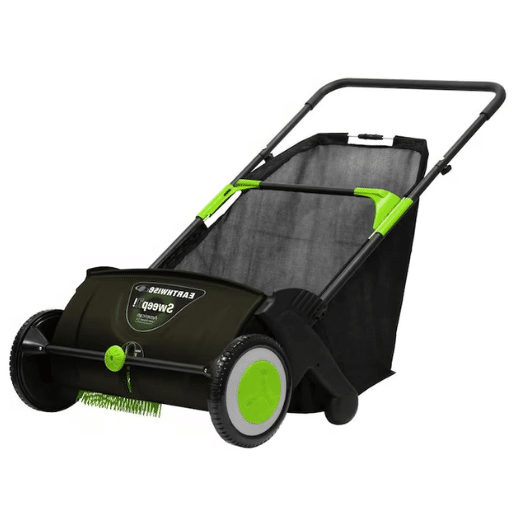
Push lawn sweepers are polygonal-shaped tools that serve the need for washer fuel for yard cleanup, consisting of leaves, grass clippings, or small twigs. They operate on a principle of rotating-brush sweeping: as you push the device across the lawn, debris is swept into the collection hopper. Further, unlike raking or other manual methods, they can sweep debris efficiently, be time-saving, and less strenuous on the human body. Lightweight, these are easy to control through the town, as they have no gas engine or electric motor; thus, they are a green and cost-efficient choice for yard maintenance.
What is a Push Lawn Sweeper?
To clean a lawn of leaves, grass clippings, twigs, and other debris, a lawn sweeper uses a rotating brush device to raise the debris into a collection hopper, eliminating the need for powered electricity or fuel. It is a manual gardening tool.
How Does a Lawn Sweeper Work?
In its simplest form, the lawn sweeper uses rotating brushes spun by pushing the sweeper over the lawn. These brushes now clean the ground of debris such as leaves, small branches, or grass clippings and funnel them through the hopper or bag attached to the device. The brushes are always kept at a height to avoid harming the grass, just touching the surface for swift cleanup of debris.
Depending on these elements like brush spinning speed, collection hopper capacity, and user control, the efficiency of a lawn sweeper will be determined. For example, the hopper capacity of typical push lawn sweepers ranges from 10 to 25 cubic feet, indicating the volume of debris that can be held before the hopper needs to be emptied. Moreover, the brush height is adjustable in many models to suit different grounds or debris.
In other words, maintaining a yard becomes far faster and less labor-intensive with a lawn sweeper than with traditional raking. The latest data indicate that lawn sweepers can reduce yard cleanup time by as much as 50% compared to manual methods, making them ideal for maintaining large yards. Secondly, because the push lawn sweepers are manually operated, they are environmentally friendly and help reduce carbon emissions when compared to the gas-powered ones.
Benefits of Using a Push Lawn Sweeper
Saving Time
Push lawn sweepers can significantly reduce garden maintenance time. Research shows they can save up to 50% of the cleanup time that goes into conventional raking, thus allowing oneself to attend to other tasks or relax.
Ease of Operation and Less Physical Strain
Whereas raking is hard on the back, push lawn sweeping requires little effort to operate. They are ergonomically designed, making them easy to maneuver and allowing any layperson to comfortably and efficiently tidy the lawn.
Eco-Friendly Operation
Push lawn sweepers are manual tools and require no electricity or fuel. As such, they complement green lifestyles by contributing to reduced carbon emissions.
Versatility in Yard Cleanup
Besides collecting leaves, these machines also pick up grass clippings, pine needles, and tiny bits of debris. Such versatility makes them an essential adjunct to a homeowner’s lawn care toolkit for keeping their lawn neat and beautiful all year round.
Cost-Effectiveness
The operation of a push lawn sweeper is free of fuel or electricity, making the device relatively economical. Its sturdy design also guarantees longevity, coupled with low maintenance, thus realizing good value for money over time.
Key Features of Push Lawn Sweepers

These push lawn sweepers are designed to be lightweight, making them easy to maneuver and operate without exhausting the user.
Some models offer height adjustments, allowing sweeping to be adapted to various lawn surfaces and debris sizes.
The wider the sweeping width, the greater the efficiency for covering large areas in very little time.
This type of push-type sweeper will be fitted with stiff brushes which will allow it to collect grass clippings, leaves, and other types of small debris effectively.
The debris are deposited in a bag or hopper for convenient storage and easy emptying when full.
A push lawn sweeper does not require fuel or electricity, making it a truly green solution for lawn maintenance.
Choosing the Right Brush Type
Choosing the correct type of brush for your push lawn sweeper is crucial to achieving the best possible results and facilitating effective lawn care practices. Brushes are designed for handling specific types of debris and work more efficiently on a particular type of surface. The following are the key types of brushes and their characteristics:
Nylon Brushes
Nylon brushes are light and flexible, making them perfect for picking up delicate debris, such as leaves and flower petals. With their non-abrasive nature, they will not scratch or harm the delicate lawn surfaces such as patios or garden paths. Furthermore, these brushes are highly durable, being waterproof and resistant to chemicals, which ensures a longer lifespan.
Rubber Brushes
Rubber brushes are best for collecting heavier debris, such as little twigs, pebbles, or damp leaves. Their sturdy make allows them to work well over rough terrain such as uneven or gravel-covered areas. Rubber brushes are more suitable for wet conditions due to the excellent grip they provide on slippery materials.
Steel Brushes
Steel brushes are the best choice for removing heavy debris like globs of wet grass or areas of compacted dirt. They are highly durable and can tolerate abrasive surfaces. Whenever possible, use them on sturdy surfaces that can withstand abrasions, to avoid scratching or damage.
Combination Brushes
Most modern push sweepers have combination brushes, featuring both nylon and steel bristles. These hybrid brushes remain capable of handling light and heavy-duty debris, making them perfect for all-purpose use.
Performance Insight and Recommendations
Data from the last few years suggest that nylon brushes are favored by homeowners for light-duty work, with over 60% of users citing easy cleaning and maintenance as the main advantages. Professional landscapers mostly use steel or rubber brushes due to their demanding durability. Combination brushes have seen a 35% increase in demand as a type that can effectively treat various types of debris without compromising performance.
Final Tips
The types you brush must be encountered to enter the sweepers’ application. The primary use of your lawn sweeper, the kinds of debris encountered quite often, and the terrain on which you will be working should be considered before leaning toward a brush type. In other words, by choosing a brush type that is most compatible with it, your sweeper will have a longer service life and consistently perform optimally.
Importance of Hopper Bag Capacity
The capacity of the hopper bag is a vital parameter toward further augmenting the efficiency of your lawn sweeper. More capacity translates to fewer stops to empty the bag, thus enhancing work performance and creating time for further lawn upkeep. On the other hand, smaller capacity bags may be preferred in tight spaces or when working with lightweight debris, where maneuvering is paramount. Fifty-four instances below highlight the importance of hopper bag capacity:
Better Efficiency
Larger hopper bags mean longer working time between emptying, thus making them suitable for large yards or areas with a considerable amount of debris.
Saves Time
Larger capacities reduce interruptions by minimizing the frequency of bag emptying throughout the cleaning process.
Accommodate Different Debris Sizes
Increased hopper capacity means it can carry larger amounts of debris, ranging from tiny leaves to larger twigs, thus making it more versatile for various yard types.
Improved Productivity by Professionals
Professionals in lawn care tend to gain more with larger capacities, as they spend less time managing debris and can focus more on the essentials.
Reduce Physical Stress
The larger bags require less frequent handling, which lessens the strain on a person’s physical capabilities and makes the job easier for them.
Choosing the Right Capacity
By gauging the larger dimensions of your lawn, along with typical debris quantities and personal-use patterns, one can target an estimate for hopper-bag capacity that provides maximum efficiency and convenience in lawn care.
Adjustable Sweeping Width and Height
Adjusting sweeping width and height are almost essential elements of versatility and efficiency for lawn sweeping. Users can adapt the cleaning range and depth to suit varying lawn conditions, debris, and personal preferences.
Sweeping Width
The sweeping width refers to the area a lawn sweeper can cover in one sweep. Typically, residential lawn sweepers are approximately 21 to 26 inches wide, whereas models designed for commercial use can exceed 42 inches. The wider the sweep, the more suitable it is for cleaning a large lawn, as it covers a larger area in less time. For smaller lawns or areas with numerous obstacles, a narrower path may be more efficient for maneuvering.
Sweeping Height
The height setting is a crucial consideration when the unit must handle debris of varying sizes, including leaves, twigs, acorns, or grass clippings. Accordingly, the cutting height has to be set at a level where it will be most effective at picking up the debris yet causes little or no damage to the grass or turf. The industry standard is that most sweepers have several height settings from 0.5 inches for small debris to 4 inches for large debris.
Benefits of Adjustable Features
- Versatility Across Surfaces: Adjustable width and height enable the sweeper to handle debris pickup from irregular terrains, gravel paths, or paved areas.
- Efficiency Under Varied Conditions: From thick piles of leaves during fall to mild clipping during spring, these settings are of aid in imparting optimum performance to the lawn sweeper.
- Greater Longevity: Proper adjustments reduce wear and tear on the unit by avoiding unnecessary strain due to incorrect settings, thereby extending the sweeper’s lifespan for long-term usage.
The new-age models come equipped with automatic height adjustments, utilizing sensors that detect surface conditions and adjust the sweeping height in real-time to provide the user with a seamless lawn sweeper experience. Some others also feature a wide-sweeping option with a collapsible design, allowing for improved storage without compromising performance.
By opting for a lawn sweeper with adjustable sweeping width and height, lawn maintenance can be significantly enhanced in both the home environment and by professionals, resulting in a cleaner, more polished look outside.
Comparing Push Lawn Sweepers with Other Lawn Care Tools

| Feature/Parameter | Push Lawn Sweeper | Lawn Bagger | Rake | Leaf Blower |
|---|---|---|---|---|
| Operation | Manual push, no fuel required | Attached to mower, uses mower power | Manual, requires physical effort | Electric or gas-powered |
| Debris Collected | Leaves, grass, small twigs | Grass clippings | Leaves, small debris | Leaves, light debris |
| Noise Level | Minimal | Moderate (depends on mower) | Silent | High |
| Efficiency | Moderate, requires steady pace | High for grass clippings | Low, time-consuming | High for leaves |
| Lawn Size Suitability | Small to medium | Medium to large | Small | Small to large |
| Storage | Compact, foldable | Requires mower storage | Minimal | Moderate |
| Ease of Use | Easy, no bending required | Easy, attached to mower | Physically demanding | Easy, requires handling |
| Environmental Impact | Eco-friendly, no emissions | Depends on mower type | Eco-friendly | Emissions from gas models |
| Cost | $100–$200 | $200–$500 | Low | $50–$300 |
| Maintenance | Low, clean brushes and hopper | Moderate, clean bag and chute | None | Moderate, clean filters |
Push Lawn Sweeper vs. Rake
| Feature/Parameter | Push Lawn Sweeper | Rake |
|---|---|---|
| Operation | Manual push, spinning brushes | Manual, requires physical effort |
| Debris Collected | Leaves, grass, small twigs | Leaves, small debris |
| Efficiency | Moderate, faster than raking | Low, time-consuming |
| Physical Effort | Minimal, no bending required | High, requires bending and lifting |
| Noise Level | Silent | Silent |
| Lawn Size Suitability | Small to medium | Small |
| Storage | Compact, foldable | Minimal |
| Ease of Use | Easy, steady walking pace | Physically demanding |
| Environmental Impact | Eco-friendly, no emissions | Eco-friendly |
| Cost | $100–$200 | Low |
| Maintenance | Low, clean brushes and hopper | None |
Push Lawn Sweeper vs. Leaf Blower
| Feature/Parameter | Push Lawn Sweeper | Leaf Blower |
|---|---|---|
| Operation | Manual push, spinning brushes | Electric or gas-powered airflow |
| Debris Collected | Leaves, grass, small twigs | Leaves, light debris |
| Efficiency | Moderate, steady pace required | High, quick debris clearing |
| Physical Effort | Minimal, no bending required | Moderate, requires arm strength |
| Noise Level | Silent | High, especially gas models |
| Lawn Size Suitability | Small to medium | Small to large |
| Storage | Compact, foldable | Moderate, depends on model size |
| Ease of Use | Easy, steady walking pace | Easy, requires handling |
| Environmental Impact | Eco-friendly, no emissions | Emissions from gas models |
| Cost | $100–$200 | $50–$300 |
| Maintenance | Low, clean brushes and hopper | Moderate, clean filters |
Benefits of a Heavy-Duty Push Lawn Sweeper
| Key Benefit | Description |
|---|---|
| Efficient Debris Collection | Picks up leaves, grass, and twigs easily |
| Time-Saving | Faster than manual raking or sweeping |
| Eco-Friendly | No fuel or electricity required |
| Quiet Operation | Silent, no engine noise |
| User-Friendly | Easy to push, no special skills needed |
| Reduces Physical Strain | No bending or heavy lifting required |
| Adjustable Brush Height | Adapts to different lawn surfaces |
| Compact Storage | Foldable design for easy storage |
| Durable Build | Sturdy materials for long-term use |
| Consistent Lawn Appearance | Leaves the yard neat and clean every time |
Maintenance Tips for Your Push Lawn Sweeper
Essential Maintenance Guidelines
Proper maintenance enables your push lawn sweeper to operate at peak efficiency and maintain a long lifespan. The following are five maintenance tips for keeping your gear in perfect shape:
- Brushes and the Hopper Should Be Cleaned After Every Use: Debris and dirt should always be wiped off the brushes and the hopper to avoid clogging and ensure smooth operation. If this is neglected, sweeping efficiency will be significantly affected over time.
- Periodic Checking and Tightening of Bolts: Inspect all bolts and fasteners for looseness caused by vibrations during use. Tighten them whenever necessary to keep the sweeper stable and avoid unnecessary wear.
- Lubricate Moving Parts: Apply a good lubricant to wheels, axles, and other moving parts approximately every three months. Lubrication can decrease friction, lessen wear, and prolong the lifespan of the parts.
- Check for Damage or Wear: Inspect the brushes, wheels, and frame regularly for any signs of damage or wear. Ensure that you replace any worn or damaged components as soon as possible to keep the sweeper in excellent working condition and ensure it is safe to operate.
- Store Properly in a Dry Area: The push lawn sweeper must be kept in a clean and dry location, away from direct sunlight and moisture. Proper storage will prevent rusting and degradation of the materials, thereby enhancing the lifespan of the sweeper.
In addition to the above maintenance techniques, these simple do-it-yourself care steps will ensure that your push lawn sweeper remains a helpful tool for many seasons.
How to Clean and Maintain the Brushes
Brush care is an essential part of maintaining any brush so that it remains in good condition and performs well every time it is used. Here are the steps and crucial details according to recent guidelines:
Clear Away Debris Regularly
After use, check if any grass clippings, small twigs, or dirt are stuck in the brushes. These can be gently removed with a soft-bristled brush or with gloved hands. Debris build-up detracts from brushing action, resulting in uneven sweeping and premature wear.
Careful Washing
Wash the brushes occasionally with clean water mixed with a small amount of soap. This kind of washing would be able to loosen dirt and residues. High-pressure water is a no-go zone; it could harm the bristles or penetrate within, damaging the working mechanism. A good washing is done using a garden hose at moderate water pressure.
Inspect for Wear and Tear
Inspect the brushes for damage or signs of wear, such as fraying or uneven bristle abrasion. A lawn-care machinery survey shows that over-worn brushes reduce sweeping efficiency by up to 20%. Keep the brushes efficient by replacing all damaged or overly worn brushes at once.
Lubricate Moving Parts
To lubricate the axles and all other moving parts of the brushes would be a good practice. A lubricant designed explicitly for outdoor tools will prevent rust while allowing the brush to rotate smoothly. It also essentially guarantees a longer life of the equipment.
Check Alignment and Adjust if Necessary
Misaligned brushes can cause inefficient sweeping or damage to the lawn. Follow the instructions in the user manual for the sweeper to adjust the brushes to the recommended height and angle. Proper alignment will ensure that the sweeper uniformly picks up debris on the ground.
Correct Storage
Ensure the brushes are dry before storing the sweeper to prevent the development of mold or mildew. Store the sweeper in a protected environment, free from elements that may degrade the brushes over time.
By following the above maintenance tips and conducting timely brush inspections, you can provide protection against avoidable wear and extend the life of your push lawn sweeper.
Ensuring the Durability of the Hopper Bag
The hopper bag is cleaned after every use to ensure its lasting nature. This means that any dirt or moisture that may promote wear or mildew is eliminated. I also check for any signs of damage, such as a tear or fraying, so these can be quickly attended to before they worsen. Additionally, storing the hopper bag in a dry area, away from rough weather conditions, ensures it will last longer.
Checking and Maintaining Rubber Wheels
Proper rubber-wheel maintenance is crucial for achieving optimal performance and extending the life of the wheels. One can start by checking the wheels regularly for any signs of wear and tear, such as cracks, flat spots, or irregular tread patterns. Maintenance guidelines suggest that such an irregular tread indicates the wheels were not correctly aligned or subjected to severe loading, and these conditions need to be corrected before additional damage occurs.
They should always be kept free of dirt, grease, and other debris, as the rubber may deteriorate over time due to accumulated grime. Clean the surface with a mild soap solution and a soft brush or cloth, taking care not to use anything that could harm the material. Current knowledge suggests that UV-ray exposure can hasten the disintegration of the rubber; thus, storing it either in shade or under a cover will prolong the life of the wheels to some extent.
And if the rubber wheels are inflatable, ensure the tires have the correct pressure. Overinflated tires pop, while underinflated tires resist rolling and wear out faster. According to industry practice, a tire pressure check is recommended once a month, using a reliable pressure gauge and in accordance with the manufacturer’s specifications.
Greasing the axle and bearing in a high-quality wheel enhances operation considerably. When properly lubricated, there remains minimal friction, corrosion is kept at bay, and rotation feels easy. Most experts recommend regular lubrication every three to six months, depending on the intensity of use.
Maintenance and care like these go a long way in improving the durability and efficiency of rubber wheels, and in turn, reduce the need for frequent replacements, thereby guaranteeing smooth equipment operation.
Popular Models and Brands

Heard about the concrete makers in the construction of rubber wheels? Famous brands worldwide are Colson, RWM Casters, and Shepherd Hardware. They are well-established as manufacturers of durable and reliable rubber wheels for use in a wide range of applications, from industrial machinery to furniture. Among truly popular models are the Performa Rubber Wheels from Colson, which excel at absorbing shocks and are virtually silent. The other famous brand is Soft Rubber Casters from Shepherd Hardware, which are suitable for light-duty work. RWM Casters, on the other hand, leans toward high-capacity rubber wheels that are designed to take a beating.
Overview of Agri-Fab Push Lawn Sweepers
The Agri-Fab push lawn sweeper provides an efficient way to maintain a clean and tidy lawn by collecting debris such as leaves, grass clippings, and twigs. Sweepers are designed for homeowners who want to save time and energy compared to traditional raking. Being lightweight and sturdy, the Agri-Fab models promise easy operation and lasting durability.
Key Features of Agri-Fab Push Lawn Sweepers:
- Adjustable Height Settings – The height of the sweep can be readily adjusted to suit different surfaces, whether flat or uneven terrain.
- Large Collection Bag – The vast size of the collection bag makes less frequent emptying necessary, an excellent feature for those with a large lawn.
- Sturdy Poly Construction – Strong materials resist wear and tear, guaranteeing reliability over the years.
- Compact and Lightweight Design – Easy to maneuver and store, even when any room is tight.
Popular Models and Specifications:
Agri-Fab 26-Inch Push Lawn Sweeper:
- Sweeping Width: 26 inches.
- Hopper Capacity: Approximately seven cubic feet.
- Weight: Etc. 25 lbs.
- Suitable for small to medium-sized lawns, this model is most appreciated for its easy assembly and fine debris pickup.
Agri-Fab 45-0218 Push Lawn Sweeper:
- Sweeping Width: 26 inches.
- Hopper Capacity: 12 cubic feet.
- Adjustable Brushing Height.
- This model is designed for versatility and efficiency in gathering not only leaves but also grass clippings as well as acceptable debris.
Advantages of Using Agri-Fab Push Sweepers:
- It speeds up yard work significantly when compared to manual raking.
- It preserves the lawn’s grass by effectively removing debris without causing significant disturbance to the grass beneath.
- Saves storage space due to compactness and collapsible features.
What Agri-Fab push sweepers offer is a blend of innovative features and user-friendly designs that serve as a reliable tool for anyone trying to keep an outdoor space neatly maintained. Handling a small yard or a sprawling property should be a breeze with these sweepers.
Features of the Large Capacity 7 cu Sweeper
Benefits of Using a 26-inch Leaf Sweeper
Saving Time with Good Performance
This 26-inch machine sweeps dirt so much faster that it covers large areas in half the time, reducing labor compared to manual methods.
Healthier Lawn
Very often, using this leaf sweeper will remove debris, preventing the formation of thatch and allowing grass to grow well.
Cheaper in Comparison
Unlike powered machines, this 26-inch leaf sweeper operates without the use of gas or electrical energy, thereby saving energy and reducing repair costs.
Green Operation
Due to its manual design, this is a great environmentally friendly choice to consider when maintaining your lawn.
Easy to Work With
The height can be adjusted, and the lightweight design allows the user, at any given skill level, to be comfortable while using it.
Frequently Asked Questions (FAQ)
The push lawn sweeper is a manually operated tool featuring rotating brushes that collect leaves, grass clippings, and other debris from your lawn. These sweepers keep your lawn neat, making it a perfect choice for a well-kept lawn. Push lawn sweepers are available in various designs, with some models allowing for height adjustment and others featuring large-capacity hoppers.
Pushing the sweeper across the lawn causes the brushes to spin against one another. These brushes collect leaves and grass clippings, dropping them into the collection bag or hopper. The sweeper works well as it picks up debris on the first pass, thus making the cleaning process easier and faster.
Use a push lawn sweeper as a unique method to keep your lawn neat by efficiently picking up leaves and grass clippings without the need for a leaf blower or rake. Most models, including the Agri-Fab lawn sweeper, come with a large 7-cubic-foot hopper that reduces the need for frequent emptying, thereby increasing the sweeping time.
When choosing a lawn sweeper, consider factors such as sweeping width, hopper capacity, adjustable height, and brush intensity. A large hopper with sturdy rubber wheels is a better option for effectively handling various debris types, such as small twigs and acorns.
Yes, many push lawn sweepers, especially the tow-behind models, can be used in conjunction with riding lawn mowers. This enables efficient lawn maintenance, where the mower mows large areas and the sweeper collects the debris.
Be sure to inspect the brushes for wear, clean the hopper after each use, and lubricate the moving parts. Additionally, keep the sweeper in a dry place to prevent rusting and damage.
The best time to use a lawn sweeper is to combat the multitude of leaf drop in autumn, and after mowing to collect grass clippings. Nevertheless, they may also be used to keep the yard clear of debris throughout the year, such as small twigs and acorns.
Almost all lawn sweepers are designed to be easy to assemble. Most do not require special tools. The Agri-Fab model, for instance, comes with clear instructions to get you up and running with your lawn care tasks in no time.