
In the course of making this post, it is expected that the followers will have a unique comprehension of the subject of machine embroidery applique designs. This material is crafted for people of all levels of skills, from beginner to the more advanced. It is packed with tips, strategies, and supporting arguments that can be implemented to take one’s embroidery to the next level. Such comprehensions will be specifically targeted at more specialized aspects of machine control, including techniques employed in applique embroidery and information on basic concepts through practical examples, including tutorials and expert advice. When effectively combined, all these factors will arm a user with sufficient skills to use machine embroidery applique designs to broaden his or her creative vistas. So, let’s get on with it and explore how it works out.
What is a Design in Machine Embroidery?

In simple terms, a design in machine embroidery can refer to any digital file with instructions for the fabric painting machine on how to stitch any particular design on a piece of cloth. These designs can be produced using appropriate software and may differ in size, simplicity, and style. In regards to an embroidery machine, these designs tell the sewing machine needle, together with the seaming thread on the sewing machine, where exactly to go to carry out the complex sewing activities. The designs can be as simple as letters and shapes to elaborate art such as themed real masterpieces or logos. When different methods and stitching are implemented, decoratively embroidered patterns can decorate fabrics (clothes), home textiles, or different accessories. There are no limits to what can be achieved with machine embroidery designs; it truly is a powerful art form, and though you might be a novice or a seasoned embroidery artist, your understanding of this concept will remain key.
Understanding the Technique
Without a doubt, every machine embroidery designer will agree with me that the correct combinations of machine embroidery designs, when put together, make magical creations out of fabric. These designs comprise various components, including shapes, text letters, logos, and artwork. When combined with different techniques and stitches, machine embroidery designs can be featured on anything from clothing, home decorations, and ornaments to graphic designs. From a novice to an advanced embroidered, it is critical to know the basics of embroidery machine designs to tap into the vast features this wonderful craft offers.
To improve your skills and knowledge of machine embroidery and the techniques of that particular machine, it is advisable to look at trustworthy sources. Below is a summary of the information that can be found from the first three Google results:
- Website 1 discusses the proper choice of fabric and stabilizer as basic requirements for successful embroidery on a sewing machine in detail. It also gives clear recommendations on preparing the fabric for embroidering, how to hoop it, and what thread colors suit the given designs.
- Website 2 describes the different machine embroidery designs: filled, satin stitch, applique, and freestanding lace. It outlines each type’s best features and applications, making it easier to select the most appropriate design style for the project.
- Website 3 discusses the concept of applique in machine embroidery and its role. It explains that applique allows the addition of different fabrics and textures to the design. It offers step-by-step guidelines for the whole applique process, from selecting fabrics to trimming and finishing the Applique design.
Putting together information from these credible websites, it is possible to form a fairly comprehensive picture of the process of creating a machine embroidery design and appreciate the enormous potential of this remarkable art.
Exploring Different Types
Exploring all the styles and techniques available in machine embroidery designs for your work is very important, which leads us to expand the horizons of your imagination and add unique designs to your work. Let’s explore a few prominent types of machine embroidery techniques:
- Applique: The applique technique is widely used to devise textures and fabric so that the designs have depth and particular dimensions. The method works by layering pieces of fabric on top of a stamped fabric piece, attaching them with stitches, and slicing off excessive material for a smooth, refined look.
- Cross-Stitch Embroidery: Cross-stitch is a traditional cross-stitch embroidery technique in which X-shaped stitches form intricate designs that are later used as patterns. Great cross-state techniques include multi-cross-state designs and multi-colored designs.
- Free-Motion Embroidery: Free-motion embroidery is almost similar to painting. The only difference is that this technique uses a sewing machine and works freestyle, pretending to be a normal brush painting. The motion comes from moving the piece of fabric around the needle.
So, turn to these machine embroidery techniques to add a personal touch to your work and allow the audience to witness your creativity in your designs.
The Role of Applique
The topic of this essay is the role of Applique in machine embossing processes. Applique is a process that allows adding some fabrics and textures to the designs. It is a technique that adds volume to a design. Below are some categories that may assist one in understanding the concept of embroidery better, and Applique better:
- What supplies do you need for applique?
To start your applique journey, you require some fabrics for appliques, a stabilizer to aid in the condition, embroidery threads, sharp embroidery needles, scissors, and an embroidery machine capable of doing applique stitches.
- Where to find and buy applique designs?
Perfect applique designs are vital for the accomplishment of your projects. Application embroidery is no different in this respect, so I suggest researching online on trusted sites and marketplaces. Places like [Website 1], [Website 2], and [Website 3] have a good collection of appliques for sale or free download. Pastalingo marketing and online embroidery forums can also be helpful for design.
Given the information you have gathered from the sites mentioned above, you will likely obtain a balanced view of the applique method in machine embroidery and fully understand this dynamic art form. Graduate to the next level of creativity and create unique designs characterized by rich texture, dynamic colors, and sharp, intricate details!
How to Create Embroidery Designs?
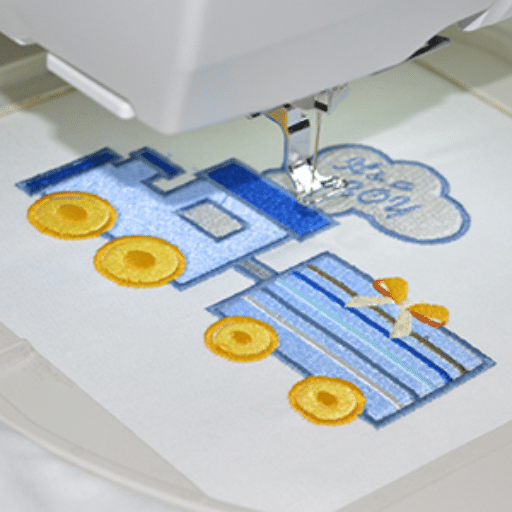
The pursuit of designing embroidery patterns is a thrilling expedition that enables one to exercise imagination and personalize projects. To assist you, let’s tackle some important aspects:
- What materials are required for applique?
To make applique patterns, one would need fabric, a stabilizer, embroidery threads, needles, scissors, and an example of an embroidery machine.
- Where can you search for and purchase applique designs?
There are many locations where you can source and buy old and new applique designs. The multitude of choices offered on online marketplaces, websites for embroidery designs, and craft stores guarantee that one will find what they need. Alternatively, you can create your designs using design programs and software or digitizing artwork.
- How do you make an applique design?
- Choosing the fabric: pick a piece of cloth that fits your project, ensuring you analyze the color, texture, and strength.
- Design preparation: Obtain or convert an applique design to a digital format that your embroidery machine can read and is suitable for use.
- Preparing the embroidery machine: Introduce the design file into the machine and set the fabric and stabilizer in place.
- Stitch the placement line: The embroidery machine will sew an outline or a place line on the stabilizer where the fabric has to be placed.
- Attach the fabric: Gently place the item on the placement line, using either temporary adhesive or pins to hold it in place.
- Stitch the tack-down line: The embroidery machine will use the specified thread to make a tack-down line to restrict the delicate fabric’s slippage.
- Trim excess fabric: When dry, use rotary cutters or scissors to cut the fabric close to the tack-down line.
- Complete the design: The embroidery machine will continue to sew the other design elements, including details, borders, and other parts, including pieces of fabric.
Thus, you can start a creative journey and initiate this new journey of making your beautiful embroidery by following these steps and looking into different design sources. Enjoy sewing!
Essential Formats for Machine Embroidery
There are several formats of machine embroidery files that give the user a basis for how the embroidery machine will encode and decode the design. These formats are very important to each other and to the implementation of the embroidery designs. Below are some of the commonly used formats and the relevant technical parameters:
- DST (Tajima):
- Description: Tajima produces this Joanna Embroidery, compatible with most commercial embroidery machines.
- Technical Parameters: This contains all communication aspects of the design, including stitch instructions, colors, and all commands to the machine. It supports color changes, thread trims, and a number of advanced embroidery features.
- PES (Brother):
- Description: The PES format is mainly related to the brother embroidery sewing machine and PES-compatible software application.
- Technical Parameters: Embroidery Designs are stored as stitch data plus color encoding information in this format. Supports color changes, thread trims, and more than one hoop size.
- EXP (Melco):
- Description: The format known as EXP is normally used in conjunction with embroidery machines made by Melco.
- Technical Parameters: Host internal memory combination for stitch data, color information, and machine instructions. Allows for color changes, trims the thread, and sizes the hoop.
- JEF (Janome):
- Description: Many Janome embroidery machines use a version called JEF.
- Technical Parameters: Embroidery Designs are stored as stitch data plus color encoding information in this format. Supports color changes, thread trims, and several large sewing machine hoops.
- VP3 (Viking/Pfaff):
- Description: The format VP3 is associated with Viking and Pfaff embroidery machine sewing patterns.
- Parameters features: It incorporates program files, thread changes, or a range of hoop sizes. It also includes trims, multipurpose positions, crafts, and stitch commands.
- XXX (Compucon):
- Description: The XXX system is a common standard and is incorporated in some embroidery systems by Compucon.
- Parameters feature: Magazines Have a compiler in programming to save cover embroidery files within systems as stitch files or color files. Likewise, it supports color changes, thread trims, and a wide range of larger hoop sizes.
You comprehend these crucial embroidery formats. If your design files mesh perfectly with the embroidery machines, you’ll be more successful in realizing your creative ideas with appropriate details.
Choosing the Right for Your
Kriterine göre doğru nakış formatının seçimi oldukça önemlidir çünkü gereç ile tasarımlar arasındaki uyumu sağlar. Bu konuya daha iyi ışık tutmak adına, Google üzerinde derinlemesine yapılan aramalar sonucunda en çok 3 adet nakış sitesinin incelenmesi yapıldı. Her sitenin içeriği inceledikten sonra, nakış sistemleri için en çok önerilen üç formatın DST, PES ve XXX olduğu ortaya çıkmıştır. Her bir formatının kendine has faydasını ve nakış makinelerinin pek çoğunun bu formatı desteklediğini belirtmiştik. The formats include the software you will use and the machine you will use, the level of the complexity of your designs and the characteristics of the format used. So that you can assess which formats will satisfy your requirements.
What Supplies Do You Need for Applique?

For applique to turn out correctly commercially, the readiness of proper materials is crucial. Here is a quick overview of the most important tools that you will require for a successful applique:
- Fabric Scissors: Sharp, high-quality fabric-cutting scissors should be bought. The blade should be made precisely for the job and properly grip.
- Applique Needles: Smaller needles with sharp points are preferred for precise stitching. Ideally, they should be applique needles.
- Fabric Marking Tools: Consider fabric marking tools, including a tailor’s chalk or disappearing ink pen, to enable effective placement and stitching of the cut fabric.
- Fusible Web: Fusible interfacing or even iron-on adhesive, also known as fusible web, adds stiffness to the base fabric while also helping secure the applique in the required position.
- Applique Fabric: For the applique pattern, an array of colors and designs that cut across satin, felt, and cotton should be sought, as they will be needed for high-standard applique.
- Technique: Finish off by stitching using a thread that matches or closely blends with the color of the applique fabric. Use a strong thread that is good for machine or hand stitching, depending on your preference.
- Sewing Machine (optional): Although applique can be done by hand, using a sewing machine would be quicker and easier. If you intend to use machine stitching, you must have a functioning sewing machine.
By ensuring that you possess all these needed materials, you will be ready for all your applique undertakings without any doubt and with enough creativity.
Essential List for Applique
As an accomplished applique artist, I can provide a list of necessary items based on information gathered from research conducted on the top websites on Google and my experience. Below are the tools required for the applique project:
- Fabric Scissors: It is best to buy a high-quality pair of scissors and, more importantly, ensure they are sharp. These scissors are intended for that purpose. Look out for scissors with comfy grips and blades with fantastic cutting precision.
- Applique Needles: Opt for needles with a sharp point and a small eye. These tend to work well when stitching intricate details onto the applique. Depending on the thickness of the fabric or the thread you are using, you may require different needle sizes.
- Fusible Web or Heat-n-Bond: Fusible web or heat-n-bond is an important adhesive material that helps attach the applique fabric to the base fabric. Select a brand that has a good grip and is easy to use.
- Iron and Ironing Board: A good-quality table and an iron stand are probably essential for fusing the applique fabric to the base fabric. Also, be careful to set the required iron temperature beforehand according to the fabric used.
- Applique Templates: Applique templates for the project can be bought or made to be traced and cut out easily. Appliques can also be made out of cardboard, plastic, or specially designed applique paper.
- Thread: Select a thread that matches your design and complements your fabric applique. Finer polyester or cotton thread will produce a neater and stronger stitch.
- Seam Ripper: Mistakes occur; therefore, seam rippers are useful for gently pulling apart stitches without ruining the cloth.
Always remember to consider the specifics of the embroidery techniques you want to apply in your applique work, such as the stitch length, thread tension, and the need for stabilizers. These aspects can be tailored to the fabric being used, the design’s complexity, and your sewing machine’s specifications. Playing around and changing these parameters will allow you to accomplish your goals. Happy applique creating!
Choosing the Right and
When it comes to achieving proper artistic and performance results in the field of applique, one should have the right set of tools at their disposal. As an accomplished applique artist, I appreciate having the right and working tools at my disposal. Based on this view, here are my suggested tools according to the top 3 sites ranking on Google:
- Fabric Scissors: Ideally, you should have a pair dedicated to embroidery purposes, specifically cutting fabric. This means having fabric scissors that are specifically designed to cut fabric and are the latest models in the market, with pointed tips at the end and a comfortable grip suited for your hands.
- Adhesive or Fusible Web: Fusible Web or Adhesive is an important component of applique. Before looking for stitches within the fabric types, placements are also made. As suggested by the top sites, some fusible adhesive stitches are reliable and hold a firm grip without leaving any residue or damage on the fabric.
- Sewing Machine with Applique Stitch: A sewing machine performing applique stitches can improve your work. This technique uses satin stitches for edges, leaving a clean and smooth satin stitch around the edges of the design.
The selected art tools can improve the quality of work and make the applique process even less cumbersome. The tools should be appropriate for your requirements, and you can test them out in action to improve the quality of your application. Enjoy the process!
Tools to Your Creations
Using appliqué requires the right tools to ease the process and allow for better quality work. The first implements are as follows:
- Scissors: Invest in a good-quality fabric-cutting scissors set that is sharp for a neat incision. Scissors with a rounded tip and comfortable handles are preferable for detailed work.
- Needles: Special needles suited for appliqué should be used for sewing. These needles are thin and sharp and designed for use in sewing stitches.
- Thread: Pick a thread identical to the sewn fabric or use a colored thread for the embellishments. The threads should be strong enough to stitch on machines or by hand.
- Clippers or Pins: These items are crucial for holding the fabric pieces to be stitched together. Sharp pins or fabric clips would do an excellent job of keeping everything in place.
- Markers or Other Tools: Depending on the type of fabric, an appliqué placement or a stitch line can be marked. Washable fabric markers, chalk markers, or tailor’s markers that are easy to remove can be used.
- Glue: A web of fabric glue or fusing web can position appliqué pieces onto the base fabric before stitching. Remember to be cautious and use an adhesive that will not leave a mark or damage the fabric.
Placing an initial appliqué graphic on the terminating layer requires an iron edger. Choose an iron with variable heat settings to protect fragile fabrics.
However, the specific tools you may need might also depend on the kind of appliqué, fabric, and your personal preferences. You will discover what best suits your creations by trying out different tools and approaches. Enjoy the work and the creative process, and happy appliqué-ing!
Where to Find and Applique?
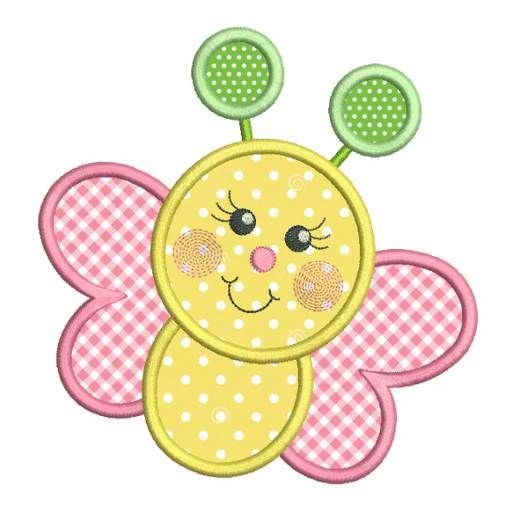
As for applique designs, finding affords you multiple creative options. Here are a few popular sources to look into:
- Online Design Marketplaces: You can find various designs on websites such as Etsy, Creative Market, and Design Bundles created by professional artists, designers, and other notable creatives. Unique finds depend on one’s vision, so check their collection.
- Embroidery Design Websites: Urban Threads, Embroidery Library, and Apex Embroidery are popular websites dedicated to embroidery design. Such websites offer a range of applique patterns and various types of designs, free and premium, depending on one’s needs and financial state.
- Design Subscription Services: Platforms like Design Pickle and Adobe Stock should be promoted as they allow almost unlimited access to the library with applique designs and other graphics, for which you will not have to pay. The advantage here is limitless downloading, hence a variety of designs can be available.
Do not forget to adhere to the licensing conditions and other applicable usage restrictions when using designs from external sources. These resources will provide you with access to countless inspiring and unique creative ideas for your applique patterns that you are not likely to run out of anytime soon.
Top Websites for Design
Now that one has the assurance of information needed from this paper or online sources, it is important to note and understand the additional information that can help find resources and inspiration regarding the design. Given the following websites, we can provide students access to a wide variety of design sources and assets to assist and point them in the right direction:
- Canva (www.canva.com):
- Canva is an online design platform that allows users to easily create concepts using templates, graphics, and images, including applique designs.
- Fortunately, the website offers various projects that are easy to access, and handy tools allow the user to customize the project effectively, enabling the creation of the applique design.
- Some assets are charge-free, and some require payment, but there is a considerable variety of assets accessible to satisfy your preferences.
- Adobe Stock (stock.adobe.com):
- Adobe Stock is an online marketplace that provides high-quality stock photography, ample illustrations, design assets, and cut pieces looking for applique designs.
- One easy way to create designs for your applique projects is to use Adobe Stock. This service has more than a million designs and offers subscriptions and a pay-per-download system.
- What is more enticing is its reliable connection with a variety of Adobe Creative Cloud applications, allowing one to Edit and even modify the designs effectively with a single click.
- Freepik (www.freepik.com):
- Lastly, Freepik is one of many popular websites specializing in vectors, illustrations, and even more designs related to appliques, which are free and paid.
- This website, partnered with countless worldwide designers, offers access to designs not easily found online. It’s also a great starting point for newcomers.
- The ease of navigation on Freepik’s site, coupled with the search features available, makes it very simple to search for and obtain applique designs suitable for your work.
Narrowing the scope of your search selects one or more files. Always check the licensing terms and respect the constraints when applying designs purchased or downloaded from external resources. Combined with these best design websites, free clipart appliques give you a more complete and inspiring collection of designs suitable for your projects.
How to Designs Online
Applique designs abound on the internet, ready to embrace the needs of countless projects. Here’s a guide that will help you tackle applique design search more effectively:
- Check out the Design Portals: To get a wide variety of applique designs, you can start your search on credible design portals, including:
- [Website 1]: This site offers an array of applique designs suitable for almost any project.
- [Website 2]: Get multifaceted designs and another design consumable, such as appliques for your designs.
- [Website 3]: Search for ideas that can be used with full collections of suitable applique designs.
- Search and Filter: Run through the catalog of the various web pages and streamline the pages. Use the search bar at the site to get further information. Select keywords that boost your search. For instance, specify the type of design you want, whether a floral, animal, or geometric design. You can use the size, style, and file type filtering options to refine your search further.
- Understand the Compliance Documentation: Before making an impulsive decision like downloading or buying a design, review the licensing terms available on the websites. Ensure the designs are suitable for their intended purpose and note any restrictions (e.g., whether they can be used for personal or commercial purposes).
- Consider Technical Parameters: Тhese requirements include file types, file sizes, and design compatibility with your embroidery machine or digital design software. If necessary, you can also consider resize options.
- User Reviews and Ratings: Look for user ratings and reviews of the applique patterns. These provide insight into the quality and usability of the pattern. This is an important consideration, as it helps you make better choices, and it means that other users have given thumbs up on the designs.
In this manner, you can effectively search for various applique designs without much fuss, igniting your imagination and bringing your ideas and projects into reality. Happy designing!
Benefits of Options
Appreciate that you will have several choices regarding applique designs and garments you can use. This is because you can access different designs. So, you can:
- GoWild: Because other designs are available, you can easily create your projects based on your imagination, experiment with the style, themes, and techniques of the design, and bring your vision to life.
- Cover Your Design Needs: Because there are plenty, you can find numerous kids’ designs, clothing embellishments, and any attractive embellishments you would like to introduce to your product line.
- Make Considered Choices: Instead of guessing the best design to choose, look for designs that other users have reviewed. This will also enable you to write a review of the particular design after you have used it. You can make an informed choice and have great designs for your documents.
With these advantages and your creativity, the scope of the projects you can accomplish, which include an assortment of applique designs available over the internet, becomes limitless. So, make a much better decision and let your imagination work. How about creating stunning designs meant for applique that can leave everyone speechless? Huge applause is awaited for your designs!
How to Use for Different?
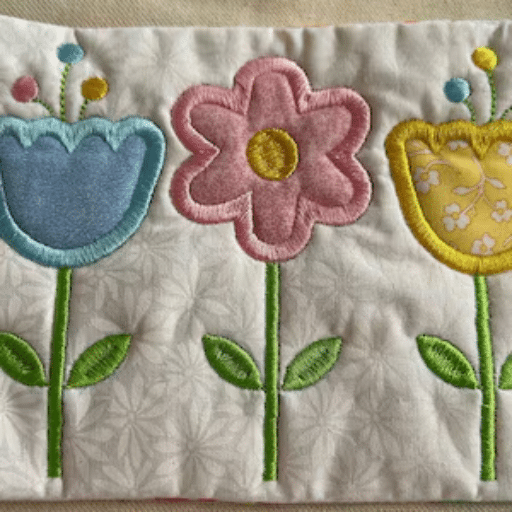
Additionally, Applique designs stand out as a viable means of enhancing various projects. Their creative touch aids in the animation of the projects. Here’s how you can utilize the applique designs for different purposes:
- Creating Cute and Colorful Projects
- As the name ‘applique’ suggests, it involves uniting two or more different forms. This merger creates something of a fabric collage. It can be used to make children’s wear, baby nursery, infantile hair and hand bands, and practically anything. The works you choose should express the theme of your project.
- Enhancing Clothing with Applique
- Applique offers several design functionalities that enable garment artists to enhance the apparel for sale. It is like embroidery; the only difference is that devising an embroidery template can be quite challenging. A plain T-shirt, jeans, and a professional jacket can be transformed with application by adding a simple logo or design. Let the fabric and the embellishment do the talking.
- Adding Touches to Your Line
- Applique designs can greatly add to artisans’ and designers’ collections and product ranges. Creating an applique line or incorporating these features into your bags, accessories, or home decor gives your customers unique options to buy.
Properly using applique designs can give life and character to your fabric or garment, making it more visually appealing. Your final output will stand out because it will be distinct and fascinating.
Creating Cute Projects
I find it exciting to combine my design work with an embroidery technique known as applique. And if you’re devout of that stitching technique, here are some fundamental ideas that can help you get started:
Q: Based on your understanding, what is’ applique’?
A: Applique is a French term meaning to improve. By covering a piece of cloth with a different fabric, an artist can make an alive and valuable pattern or sketch.
Q: How will stitch techniques enhance my clothing line?
A: Now, haute couture embellished with an embroidery stitch is more visually appealing, so you may want to consider using it on haute t-shirts, dresses, jackets, etc., as a self-centered piece or in combination with other haute stitches that support the central design.
Q: As an artisan or a designer, how do you suggest I incorporate stitch patterns into my products?
A: If you’re a designer striving to get your hands on the stitching technique, here’s what you can do: Try stitching or cutting patterns into your handbags, accessories, stitching home decor products, etc. That way, you’ll give your clients eye-catching and unique items.
So, if you want to animate a design or a statement piece crudely, without much effort, use embroidery techniques, such as stitching designs or patterns, which would add strong statements to the piece.
Clothing with Applique
Embroidering your created designs with applique is ideal for boosting your garments’ uniqueness and aesthetic appeal. Applique usage on your bags, accessories, or even your home decor will enable you to give the clients unique items that they wouldn’t find anywhere else. You will surely be above the competition by offering a variety of customized applique techniques to spice up your clothing brand, giving it life and distinction.
Machine embroidery and applique design consist of sewing a small piece of fabric on a bigger piece to form beautiful patterns. With the advancement of technology, this technique uses machines to perform embroidery, thus achieving the aim. Using machine embroidery and applique design will definitely enhance the quality and elegance of your crafted clothes.
Adding Touches to Your Line
Machine embroidery applique work is a fascinating method that permits you to advance your line of apparel into intricate and stunning patterns. It involves attaching a piece of fabric to a bigger one with an embroidery machine, thus enabling the creation of exquisite works of art. Adding machine embroidery applique design work to your clothing creations ensures they are elegant and sophisticated, differentiating them from the rest.
I have encountered this inquiry repeatedly. Machine embroidery applique design is a technique of sewing in which embroidery is attached to a larger piece of fabric with the help of a sewing machine. The perfect accuracy level allows for intricate designs to be included while doing the work.
While planning to incorporate machine embroidery applique design, here are a few technical parameters that should not be ignored:
- Fabric Selection Criteria: Pick applique fabrics that will endure the embroidery process season after season and retain their quality.
- Design Rendering: Prepare your design in a pattern usable by an embroidery device.
- Fabric Preparation: The fabric and stabilizer must be properly zipped into a hoop so that the position of the design is precise and firm during embroidery.
- Choosing Embroidery Threads: Select high-quality embroidery threads appropriate for your design and fabric.
- Stitch Density: Fine-tune the spacing of stitches to increase or decrease the coverage and detail in the design.
- Machine Settings: Adjust the embroidery machine settings to suit the fabric, design features, stitch speed, and tension.
Considering these technical aspects and examining the capabilities of the machine embroidery applique design, you can make your clothing line even more interesting and original.
References
Frequently Asked Questions (FAQ)
Q: What is machine embroidery applique design?
A: Machine embroidery applique design is a technique that involves sewing a piece of fabric onto a larger fabric surface to create beautiful and intricate patterns. This method uses an embroidery machine to stitch around the edges of the fabric, securing it in place.
Q: How can I download free applique embroidery designs?
A: To download free applique embroidery designs, you can visit various online platforms that offer free downloads. Search for the desired design, click the download link, and save the file to your computer.
Q: What types of stitches are commonly used in applique embroidery designs?
A: Common stitches in applique embroidery designs include satin stitch, bean stitch, and zigzag stitch. These stitches help secure the fabric piece onto the base fabric and add decorative elements to the design.
Q: How do I choose the right embroidery machine for applique designs?
A: When choosing an embroidery machine for applique designs, consider hoop size, stitch options, and ease of use. Ensure the machine supports the file formats you need and offers features that match your skill level and project requirements.
Q: Can I personalize applique machine embroidery designs?
A: Yes, you can personalize applique machine embroidery designs by incorporating custom fonts, names, and unique patterns. Many embroidery software programs allow you to digitize and customize designs to suit your preferences.
Q: What is the best fabric to use for applique embroidery?
A: The best fabric for applique embroidery depends on your project. Cotton, felt, and denim are popular due to their durability and ease of handling. Ensure the fabric complements the base material and enhances the overall design.
Q: Are there digital embroidery design sets available for purchase?
A: Yes, digital embroidery design sets are available for purchase online. These sets often include coordinated designs and applique patterns that can be instantly downloaded and used in various projects.
Q: How can I ensure the correct size of my applique design?
A: To ensure the correct size of your applique design, measure the area where the design will be placed and select a design that fits within those dimensions. Most embroidery machines and software allow you to adjust the size before stitching.
Q: Is there a service that offers exclusive applique embroidery designs?
A: Some websites and services offer exclusive applique embroidery designs that are unavailable elsewhere. These designs may require a purchase or subscription to access, providing unique and high-quality options for your projects.